Saudi Arabia Travel Vaccinations and Health Advice
Pilgrimage rules shape the health planning
Saudi Arabia is one of the few destinations where your reason for travel can affect entry paperwork as well as vaccine advice. Hajj and Umrah pilgrims need to think about meningococcal ACWY certification, crowded settings and heat, while business visitors to Riyadh or Jeddah may have a simpler vaccine discussion. At City Of London Clinic in London, we talk through the route, timing and certificate requirements before you travel.
Saudi Arabia is one of the few destinations where your reason for travel can affect entry paperwork as well as vaccine advice. Hajj and Umrah pilgrims need to think about meningococcal ACWY certification, crowded settings and heat, while business visitors to Riyadh or Jeddah may have a simpler vaccine discussion. At City Of London Clinic in London, we talk through the route, timing and certificate requirements before you travel.
Work trips, family visits and pilgrimage are not the same journey
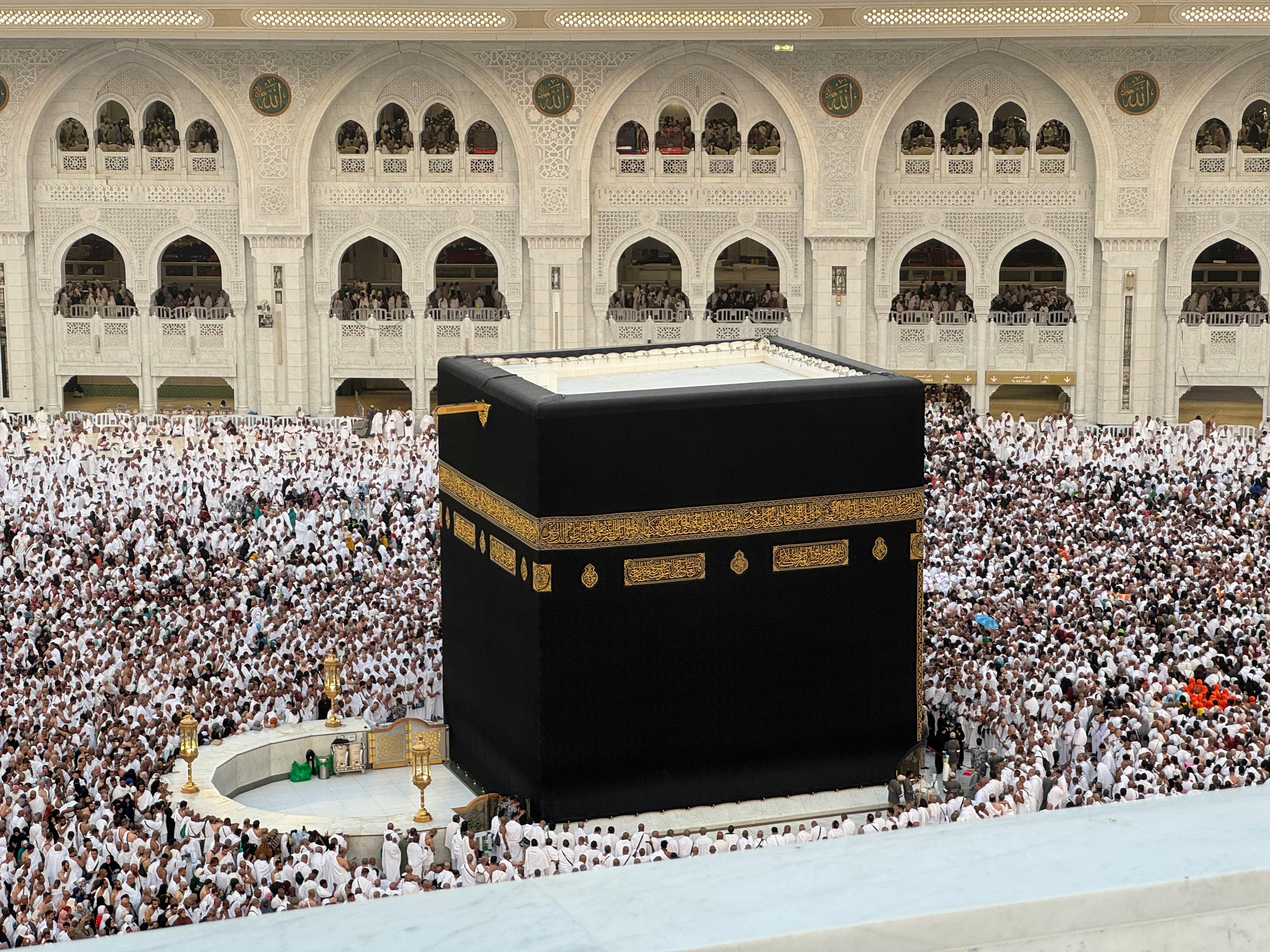
People travel to Saudi Arabia for very different reasons: Hajj, Umrah, visiting relatives, short corporate trips, long construction or energy-sector placements, study, and stopovers linked to wider Middle East travel. The health planning is different for each one.
A week in Riyadh with hotel accommodation does not carry the same practical risks as several weeks moving through Makkah and Madinah during a pilgrimage season, where crowding, heat and respiratory infections matter more. Longer stays, rural travel, contact with local communities, outdoor work and less predictable food hygiene can also bring hepatitis A, typhoid, rabies or malaria discussions into the consultation. Your itinerary is doing a lot of the work here.
People travel to Saudi Arabia for very different reasons: Hajj, Umrah, visiting relatives, short corporate trips, long construction or energy-sector placements, study, and stopovers linked to wider Middle East travel. The health planning is different for each one.
A week in Riyadh with hotel accommodation does not carry the same practical risks as several weeks moving through Makkah and Madinah during a pilgrimage season, where crowding, heat and respiratory infections matter more. Longer stays, rural travel, contact with local communities, outdoor work and less predictable food hygiene can also bring hepatitis A, typhoid, rabies or malaria discussions into the consultation. Your itinerary is doing a lot of the work here.
People travel to Saudi Arabia for very different reasons: Hajj, Umrah, visiting relatives, short corporate trips, long construction or energy-sector placements, study, and stopovers linked to wider Middle East travel. The health planning is different for each one.
A week in Riyadh with hotel accommodation does not carry the same practical risks as several weeks moving through Makkah and Madinah during a pilgrimage season, where crowding, heat and respiratory infections matter more. Longer stays, rural travel, contact with local communities, outdoor work and less predictable food hygiene can also bring hepatitis A, typhoid, rabies or malaria discussions into the consultation. Your itinerary is doing a lot of the work here.
ACWY certificates, dengue zones and a small malaria footprint
For Hajj and Umrah pilgrims, meningococcal ACWY is the headline vaccine because proof of vaccination is a visa requirement. The certificate needs to be valid for the journey and carried with you for inspection. It is also clinically sensible: pilgrimage brings prolonged close contact with large numbers of people from many countries.
Tetanus should be up to date for most travellers. Hepatitis A may be considered if food and water hygiene could be unreliable, especially for longer stays, visits to relatives or more basic accommodation. Typhoid can also be discussed for similar reasons. Hepatitis B is relevant for longer stays, healthcare work, possible medical or dental treatment, new sexual partners, contact sports or any blood exposure risk.
Dengue is reported in parts of Saudi Arabia, including Al Madinah, Jizan and Makkah provinces, with Mecca and Jeddah included in the risk area. The mosquitoes bite mainly in the daytime, so repellent and covered skin matter outside evening hours too.
Malaria risk is low and quite localised: mainly south-western provinces along the Yemen border, including parts of Asir below 2,000 metres. There is no malaria risk in Jeddah, Makkah, Medina, Riyadh, Ta'if, or Asir above 2,000 metres. Rabies is present in domestic animals, and MERS-CoV is another Saudi-specific issue, linked particularly with camels and camel products.
For Hajj and Umrah pilgrims, meningococcal ACWY is the headline vaccine because proof of vaccination is a visa requirement. The certificate needs to be valid for the journey and carried with you for inspection. It is also clinically sensible: pilgrimage brings prolonged close contact with large numbers of people from many countries.
Tetanus should be up to date for most travellers. Hepatitis A may be considered if food and water hygiene could be unreliable, especially for longer stays, visits to relatives or more basic accommodation. Typhoid can also be discussed for similar reasons. Hepatitis B is relevant for longer stays, healthcare work, possible medical or dental treatment, new sexual partners, contact sports or any blood exposure risk.
Dengue is reported in parts of Saudi Arabia, including Al Madinah, Jizan and Makkah provinces, with Mecca and Jeddah included in the risk area. The mosquitoes bite mainly in the daytime, so repellent and covered skin matter outside evening hours too.
Malaria risk is low and quite localised: mainly south-western provinces along the Yemen border, including parts of Asir below 2,000 metres. There is no malaria risk in Jeddah, Makkah, Medina, Riyadh, Ta'if, or Asir above 2,000 metres. Rabies is present in domestic animals, and MERS-CoV is another Saudi-specific issue, linked particularly with camels and camel products.
For Hajj and Umrah pilgrims, meningococcal ACWY is the headline vaccine because proof of vaccination is a visa requirement. The certificate needs to be valid for the journey and carried with you for inspection. It is also clinically sensible: pilgrimage brings prolonged close contact with large numbers of people from many countries.
Tetanus should be up to date for most travellers. Hepatitis A may be considered if food and water hygiene could be unreliable, especially for longer stays, visits to relatives or more basic accommodation. Typhoid can also be discussed for similar reasons. Hepatitis B is relevant for longer stays, healthcare work, possible medical or dental treatment, new sexual partners, contact sports or any blood exposure risk.
Dengue is reported in parts of Saudi Arabia, including Al Madinah, Jizan and Makkah provinces, with Mecca and Jeddah included in the risk area. The mosquitoes bite mainly in the daytime, so repellent and covered skin matter outside evening hours too.
Malaria risk is low and quite localised: mainly south-western provinces along the Yemen border, including parts of Asir below 2,000 metres. There is no malaria risk in Jeddah, Makkah, Medina, Riyadh, Ta'if, or Asir above 2,000 metres. Rabies is present in domestic animals, and MERS-CoV is another Saudi-specific issue, linked particularly with camels and camel products.
What to cover before you fly
Book a travel health appointment four to six weeks before departure if you can. That gives time for vaccines that need more than one dose, certificate checks and a sensible discussion about your actual route. Short-notice trips are still worth a consultation, particularly for ACWY paperwork, bite advice and overdue routine boosters.
Bring your vaccine history, travel dates, cities or provinces, accommodation plans and any medical conditions or regular medicines. For Saudi Arabia, we usually check routine UK vaccines such as MMR and tetanus-containing boosters, then discuss ACWY, hepatitis A, hepatitis B, typhoid, rabies and malaria prevention only where relevant.
Pack a good insect repellent, sun protection, oral rehydration salts and enough prescription medicine for the full stay. Avoid contact with camels, do not drink raw camel milk, and seek medical advice quickly after animal bites or scratches.
Book a travel health appointment four to six weeks before departure if you can. That gives time for vaccines that need more than one dose, certificate checks and a sensible discussion about your actual route. Short-notice trips are still worth a consultation, particularly for ACWY paperwork, bite advice and overdue routine boosters.
Bring your vaccine history, travel dates, cities or provinces, accommodation plans and any medical conditions or regular medicines. For Saudi Arabia, we usually check routine UK vaccines such as MMR and tetanus-containing boosters, then discuss ACWY, hepatitis A, hepatitis B, typhoid, rabies and malaria prevention only where relevant.
Pack a good insect repellent, sun protection, oral rehydration salts and enough prescription medicine for the full stay. Avoid contact with camels, do not drink raw camel milk, and seek medical advice quickly after animal bites or scratches.
Book a travel health appointment four to six weeks before departure if you can. That gives time for vaccines that need more than one dose, certificate checks and a sensible discussion about your actual route. Short-notice trips are still worth a consultation, particularly for ACWY paperwork, bite advice and overdue routine boosters.
Bring your vaccine history, travel dates, cities or provinces, accommodation plans and any medical conditions or regular medicines. For Saudi Arabia, we usually check routine UK vaccines such as MMR and tetanus-containing boosters, then discuss ACWY, hepatitis A, hepatitis B, typhoid, rabies and malaria prevention only where relevant.
Pack a good insect repellent, sun protection, oral rehydration salts and enough prescription medicine for the full stay. Avoid contact with camels, do not drink raw camel milk, and seek medical advice quickly after animal bites or scratches.
A local appointment before Saudi travel
Saudi Arabia travel health is usually manageable once the purpose of travel is clear. Pilgrimage paperwork, dengue areas, low-risk malaria zones and routine vaccine gaps can all be checked in one appointment. If you are based near Farringdon or Moorgate, our Goswell Road clinic is an easy place to discuss Saudi Arabia travel vaccinations before you leave.
Saudi Arabia travel health is usually manageable once the purpose of travel is clear. Pilgrimage paperwork, dengue areas, low-risk malaria zones and routine vaccine gaps can all be checked in one appointment. If you are based near Farringdon or Moorgate, our Goswell Road clinic is an easy place to discuss Saudi Arabia travel vaccinations before you leave.
Saudi Arabia travel health is usually manageable once the purpose of travel is clear. Pilgrimage paperwork, dengue areas, low-risk malaria zones and routine vaccine gaps can all be checked in one appointment. If you are based near Farringdon or Moorgate, our Goswell Road clinic is an easy place to discuss Saudi Arabia travel vaccinations before you leave.
FAQ
Travel Health FAQs
Find clear answers to the most common travel health and malaria prevention questions.
Find clear answers to the most common travel health and malaria prevention questions.
What vaccines do I need for Saudi Arabia from the UK?
Most travellers should check that routine UK vaccines are up to date, including tetanus-containing boosters and MMR where relevant. Depending on your itinerary, hepatitis A, hepatitis B, typhoid, rabies and meningococcal ACWY may be discussed. Hajj and Umrah travellers have specific ACWY certificate requirements.
Do I need a meningitis vaccine for Umrah or Hajj?
Is malaria a risk in Saudi Arabia?
Is dengue a concern in Mecca or Jeddah?
How early should I book Saudi Arabia travel vaccinations?
What vaccines do I need for Saudi Arabia from the UK?
Most travellers should check that routine UK vaccines are up to date, including tetanus-containing boosters and MMR where relevant. Depending on your itinerary, hepatitis A, hepatitis B, typhoid, rabies and meningococcal ACWY may be discussed. Hajj and Umrah travellers have specific ACWY certificate requirements.
Do I need a meningitis vaccine for Umrah or Hajj?
Is malaria a risk in Saudi Arabia?
Is dengue a concern in Mecca or Jeddah?
How early should I book Saudi Arabia travel vaccinations?