Rabies Vaccine in London
Rabies risk is highest after animal bites abroad. Get pre-travel rabies vaccine advice and appointments at our London travel clinic.
Rabies vaccination before travel
Animal bites abroad can turn a good trip into an urgent medical problem very quickly. At City Of London Clinic in London, we assess rabies risk before you travel and talk through whether vaccination makes sense for your route, length of stay and likely animal contact. This page explains what rabies is, how the vaccine is usually given, and which travellers should think about booking it before departure.
Animal bites abroad can turn a good trip into an urgent medical problem very quickly. At City Of London Clinic in London, we assess rabies risk before you travel and talk through whether vaccination makes sense for your route, length of stay and likely animal contact. This page explains what rabies is, how the vaccine is usually given, and which travellers should think about booking it before departure.
A rare infection, but a brutal one
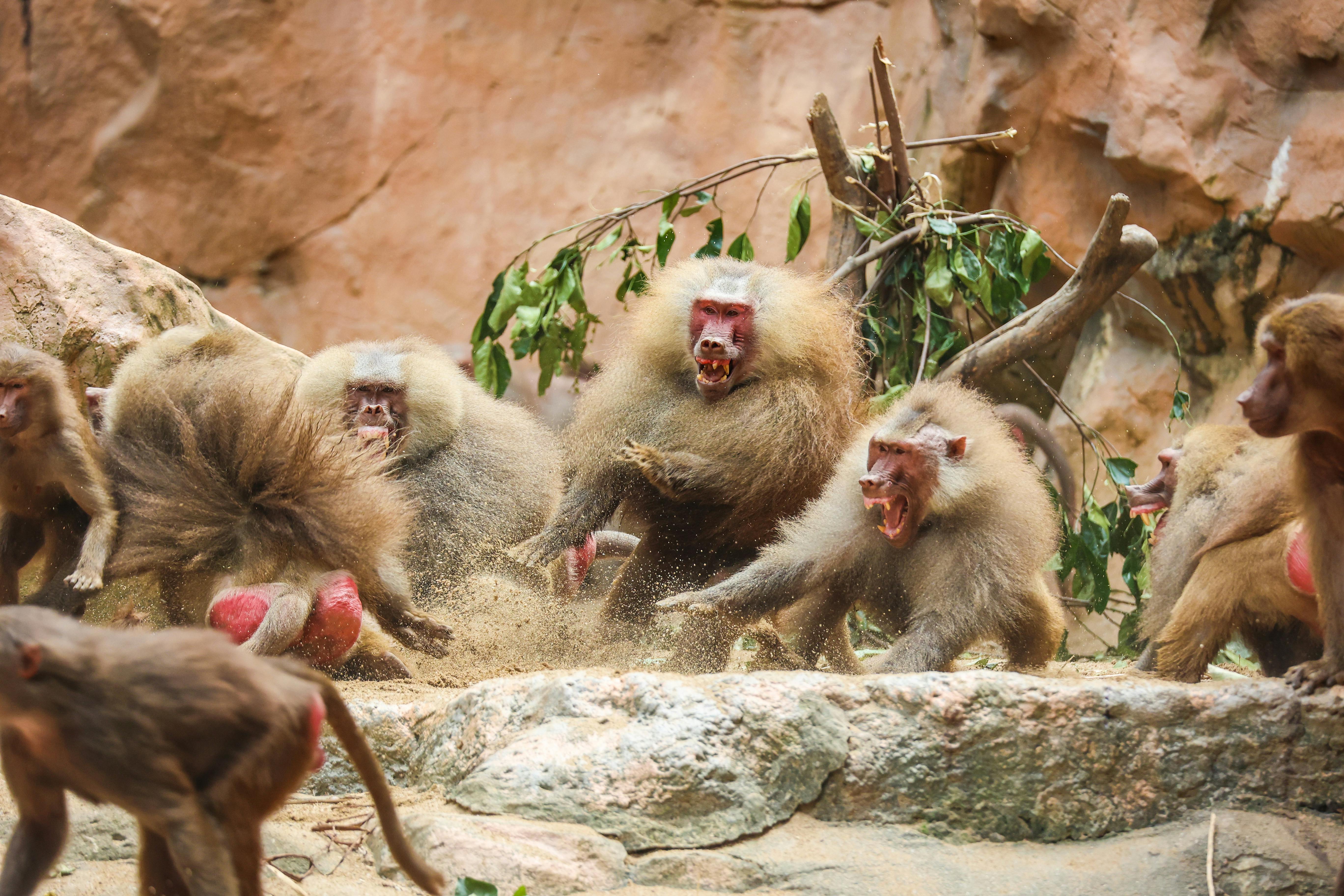
Rabies is a viral infection that affects the brain and nervous system. People usually catch it when saliva from an infected animal enters the body through a bite or scratch. Saliva getting into the eyes, nose or mouth, or onto broken skin, can also be enough to count as an exposure. Dogs cause most human rabies cases worldwide, but they are not the only animals that matter. Monkeys, cats, bats and other mammals can be involved. For travellers, the common scenarios are often mundane: a dog bite while cycling through rural India, a monkey scratch at a tourist site in Thailand, or a cat bite in Morocco. Rabies is almost always fatal once symptoms begin. The useful window is before that point. Fast wound washing and post-exposure treatment can prevent illness, but the right treatment may be hard to find outside major cities, especially rabies immunoglobulin.
Rabies is a viral infection that affects the brain and nervous system. People usually catch it when saliva from an infected animal enters the body through a bite or scratch. Saliva getting into the eyes, nose or mouth, or onto broken skin, can also be enough to count as an exposure. Dogs cause most human rabies cases worldwide, but they are not the only animals that matter. Monkeys, cats, bats and other mammals can be involved. For travellers, the common scenarios are often mundane: a dog bite while cycling through rural India, a monkey scratch at a tourist site in Thailand, or a cat bite in Morocco. Rabies is almost always fatal once symptoms begin. The useful window is before that point. Fast wound washing and post-exposure treatment can prevent illness, but the right treatment may be hard to find outside major cities, especially rabies immunoglobulin.
What the rabies vaccine can and cannot do
The rabies vaccine used before travel primes your immune system against rabies virus. It is given as injections, usually into the upper arm. The standard pre-travel course is three doses on day 0, day 7 and day 21 or 28. If time is tight, an accelerated three-dose schedule may sometimes be used, with a later dose advised if you keep travelling to higher-risk areas. Adults and children can be assessed for rabies vaccination before travel. It is particularly relevant if you are staying more than a month in a rabies-risk country, visiting remote areas, working with animals, cycling, running, caving, backpacking, or travelling with children who may not report a small bite clearly. The vaccine does not mean you can ignore a bite. If an animal bites, scratches or licks broken skin, you still need urgent medical advice and further rabies vaccine doses. The advantage of having the pre-exposure course is that post-bite treatment is usually simpler and rabies immunoglobulin is usually not needed. Common side effects are soreness, redness or itching where the injection went in. Some people feel headachy, feverish or tired for a short time.
The rabies vaccine used before travel primes your immune system against rabies virus. It is given as injections, usually into the upper arm. The standard pre-travel course is three doses on day 0, day 7 and day 21 or 28. If time is tight, an accelerated three-dose schedule may sometimes be used, with a later dose advised if you keep travelling to higher-risk areas. Adults and children can be assessed for rabies vaccination before travel. It is particularly relevant if you are staying more than a month in a rabies-risk country, visiting remote areas, working with animals, cycling, running, caving, backpacking, or travelling with children who may not report a small bite clearly. The vaccine does not mean you can ignore a bite. If an animal bites, scratches or licks broken skin, you still need urgent medical advice and further rabies vaccine doses. The advantage of having the pre-exposure course is that post-bite treatment is usually simpler and rabies immunoglobulin is usually not needed. Common side effects are soreness, redness or itching where the injection went in. Some people feel headachy, feverish or tired for a short time.
Where rabies risk matters most
Rabies occurs in mammals on every continent except Antarctica, but human risk is highest where dog rabies still circulates. Africa and Asia account for most human cases, with India carrying a particularly high burden. Rabies exposure is also a recognised issue for travellers in parts of Southeast Asia, including Thailand, Indonesia, Vietnam and Cambodia, where dog and monkey contact can happen around beaches, temples and street food areas. North Africa is another practical example; UK and European cases have followed animal contact in Morocco. Latin America has made progress in controlling dog rabies in many places, but bats and wildlife remain relevant in some regions. Western Europe, Australia, New Zealand and Japan are generally far lower risk for dog rabies, although bat lyssaviruses still need proper medical handling after contact.
Rabies occurs in mammals on every continent except Antarctica, but human risk is highest where dog rabies still circulates. Africa and Asia account for most human cases, with India carrying a particularly high burden. Rabies exposure is also a recognised issue for travellers in parts of Southeast Asia, including Thailand, Indonesia, Vietnam and Cambodia, where dog and monkey contact can happen around beaches, temples and street food areas. North Africa is another practical example; UK and European cases have followed animal contact in Morocco. Latin America has made progress in controlling dog rabies in many places, but bats and wildlife remain relevant in some regions. Western Europe, Australia, New Zealand and Japan are generally far lower risk for dog rabies, although bat lyssaviruses still need proper medical handling after contact.
Book once your route is clear
Rabies vaccination is easiest to plan when you know your dates, countries and style of travel. If you are leaving soon, it is still worth asking, as shorter schedules may be possible in some cases. City Of London Clinic is on Goswell Road, convenient for people working or living near Farringdon and Moorgate. Book an appointment and bring your itinerary, previous vaccine records and departure date.
Rabies vaccination is easiest to plan when you know your dates, countries and style of travel. If you are leaving soon, it is still worth asking, as shorter schedules may be possible in some cases. City Of London Clinic is on Goswell Road, convenient for people working or living near Farringdon and Moorgate. Book an appointment and bring your itinerary, previous vaccine records and departure date.
FAQ
Travel Health FAQs
Find clear answers to the most common travel health and malaria prevention questions.
Find clear answers to the most common travel health and malaria prevention questions.
How far before travel should I start the rabies vaccine course?
Allow three to four weeks if you can, as the standard pre-travel rabies course uses three doses spread over 21 to 28 days. If you are leaving sooner, book anyway; an accelerated schedule may be appropriate after assessment.
Do I need the rabies vaccine for Thailand, India or Morocco?
Can children have the rabies vaccine before travel?
Is rabies vaccination needed if I had a course years ago?
What should I do if I am bitten after having the vaccine?
How far before travel should I start the rabies vaccine course?
Allow three to four weeks if you can, as the standard pre-travel rabies course uses three doses spread over 21 to 28 days. If you are leaving sooner, book anyway; an accelerated schedule may be appropriate after assessment.
Do I need the rabies vaccine for Thailand, India or Morocco?
Can children have the rabies vaccine before travel?
Is rabies vaccination needed if I had a course years ago?
What should I do if I am bitten after having the vaccine?
Speak to the team or arrange your visit
If you are comparing clinics or unsure which service you need, we are happy to help. Call the clinic, send us a message or visit us on Goswell Road to speak with the team.
We are easy to reach from the City of London, Farringdon, Moorgate, Liverpool Street, King’s Cross and surrounding central London areas.
CoL
C
City Of London
Clinic
36 Goswell Rd., Golden Lane Estate, London EC1M 7AA
info@cityoflondonclinic.co.uk
Hours
Monday
9am - 6:30pm
Tuesday
9am - 6:30pm
Wednesday
9am - 6:30pm
Thursday
9am - 6:30pm
Friday
9am - 6:30pm
Saturday
9am - 2pm
Sunday
Closed
Speak to the team or arrange your visit
If you are comparing clinics or unsure which service you need, we are happy to help. Call the clinic, send us a message or visit us on Goswell Road to speak with the team.
We are easy to reach from the City of London, Farringdon, Moorgate, Liverpool Street, King’s Cross and surrounding central London areas.
CoL
C
City Of London
Clinic
36 Goswell Rd., Golden Lane Estate, London EC1M 7AA
info@cityoflondonclinic.co.uk
Hours
Monday
9am - 6:30pm
Tuesday
9am - 6:30pm
Wednesday
9am - 6:30pm
Thursday
9am - 6:30pm
Friday
9am - 6:30pm
Saturday
9am - 2pm
Sunday
Closed
Speak to the team or arrange your visit
If you are comparing clinics or unsure which service you need, we are happy to help. Call the clinic, send us a message or visit us on Goswell Road to speak with the team.
We are easy to reach from the City of London, Farringdon, Moorgate, Liverpool Street, King’s Cross and surrounding central London areas.
36 Goswell Rd., Golden Lane Estate, London EC1M 7AA
info@cityoflondonclinic.co.uk
Hours
Monday
9am - 6:30pm
Tuesday
9am - 6:30pm
Wednesday
9am - 6:30pm
Thursday
9am - 6:30pm
Friday
9am - 6:30pm
Saturday
9am - 2pm
Sunday
Closed
City Of London
Clinic
CoL
C