Cholera Vaccine in London
Planning aid work, long stays or travel during a cholera outbreak? Get clear vaccine advice and oral cholera vaccination at our London travel clinic.
Cholera vaccination before higher-risk travel
Most people going abroad do not need a cholera vaccine. That is the honest starting point. It becomes relevant for a smaller group: aid workers, people travelling during an outbreak, those staying where clean water is unreliable, or travellers with limited access to medical care if they become unwell. At City Of London Clinic in London, we can look at your itinerary, dates and medical background, then tell you whether cholera vaccination belongs on your travel plan.
Most people going abroad do not need a cholera vaccine. That is the honest starting point. It becomes relevant for a smaller group: aid workers, people travelling during an outbreak, those staying where clean water is unreliable, or travellers with limited access to medical care if they become unwell. At City Of London Clinic in London, we can look at your itinerary, dates and medical background, then tell you whether cholera vaccination belongs on your travel plan.
Severe diarrhoea from contaminated food and water
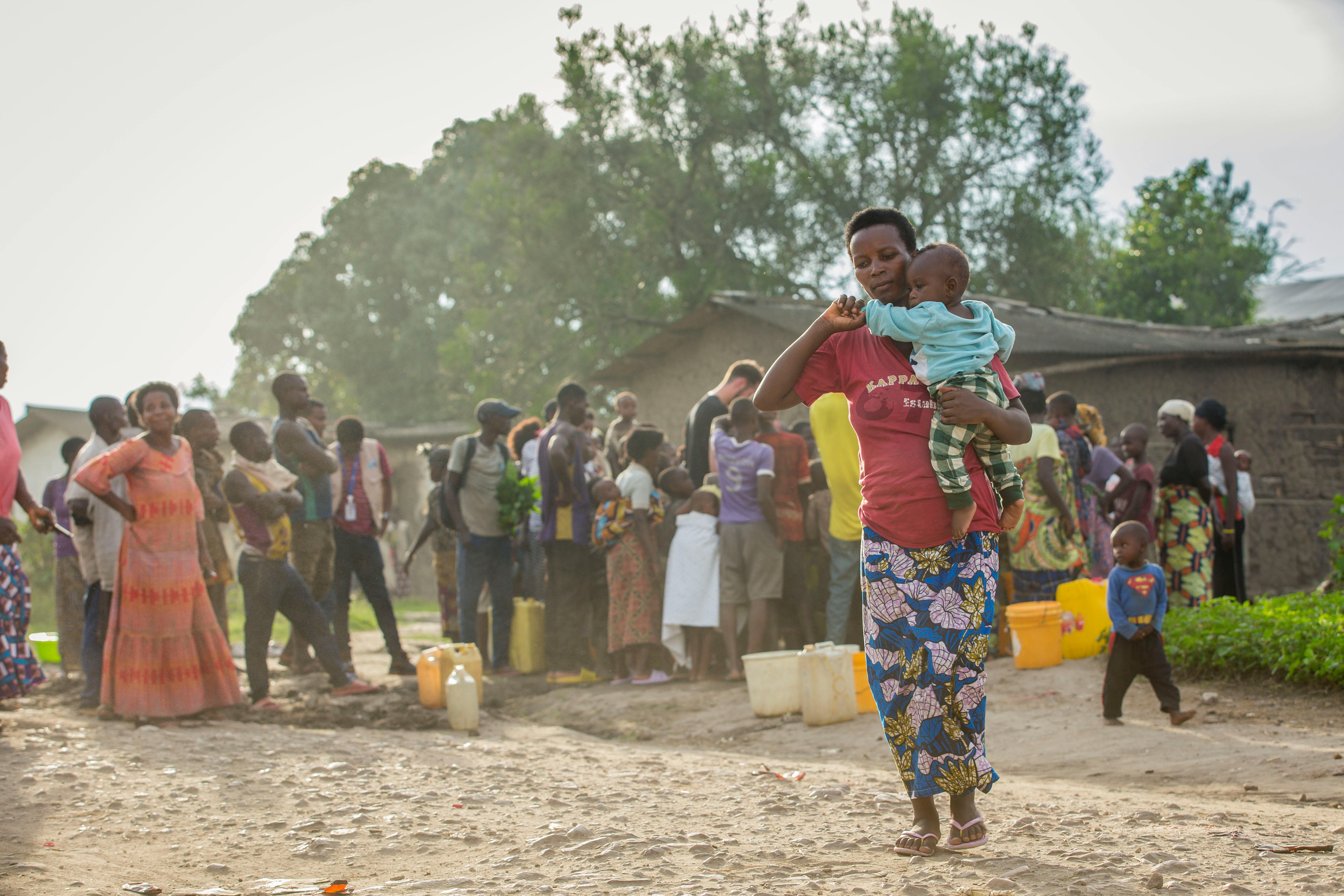
Cholera is a bacterial infection caused by Vibrio cholerae. People usually catch it by swallowing contaminated water or food, especially where sanitation has broken down or safe drinking water is hard to access. Undercooked seafood can also be a route of infection. Many infections are mild, and some cause no symptoms. The cases that matter clinically can move fast. Cholera can cause sudden, profuse watery diarrhoea, sometimes with vomiting, followed by dangerous dehydration and salt imbalance. In severe cases, someone can become seriously ill within hours if rehydration is not available. For a short hotel-based trip, the risk is usually low if you are careful with food and water. The picture is different for disaster relief work, refugee camp settings, rural healthcare work, long stays in outbreak areas, or travel where you may not be able to reach treatment quickly.
Cholera is a bacterial infection caused by Vibrio cholerae. People usually catch it by swallowing contaminated water or food, especially where sanitation has broken down or safe drinking water is hard to access. Undercooked seafood can also be a route of infection. Many infections are mild, and some cause no symptoms. The cases that matter clinically can move fast. Cholera can cause sudden, profuse watery diarrhoea, sometimes with vomiting, followed by dangerous dehydration and salt imbalance. In severe cases, someone can become seriously ill within hours if rehydration is not available. For a short hotel-based trip, the risk is usually low if you are careful with food and water. The picture is different for disaster relief work, refugee camp settings, rural healthcare work, long stays in outbreak areas, or travel where you may not be able to reach treatment quickly.
An oral vaccine, not an injection
Cholera vaccines used for travel are taken by mouth. They are designed to reduce the risk of cholera infection, but they do not replace careful food, water and hand hygiene. They also do not cover every cause of travellers’ diarrhoea, so it is still perfectly possible to get a stomach bug after vaccination. The schedule depends on the product and the traveller’s age. One commonly used inactivated oral vaccine is usually given as two doses for adults and older children, spaced at least a week apart, with the course completed at least one week before possible exposure. Younger children may need a three-dose course. A live oral cholera vaccine may be given as a single dose at least 10 days before potential exposure, but it is not suitable for everyone. Children can be vaccinated when the product and age are appropriate, but they should be assessed individually. People who are immunosuppressed, taking certain medicines, recently on antibiotics, pregnant, breastfeeding, or living with significant medical conditions should mention this before vaccination. Temporary stomach symptoms can happen after oral vaccines. If you remain at risk later, a repeat course or further advice may be needed.
Cholera vaccines used for travel are taken by mouth. They are designed to reduce the risk of cholera infection, but they do not replace careful food, water and hand hygiene. They also do not cover every cause of travellers’ diarrhoea, so it is still perfectly possible to get a stomach bug after vaccination. The schedule depends on the product and the traveller’s age. One commonly used inactivated oral vaccine is usually given as two doses for adults and older children, spaced at least a week apart, with the course completed at least one week before possible exposure. Younger children may need a three-dose course. A live oral cholera vaccine may be given as a single dose at least 10 days before potential exposure, but it is not suitable for everyone. Children can be vaccinated when the product and age are appropriate, but they should be assessed individually. People who are immunosuppressed, taking certain medicines, recently on antibiotics, pregnant, breastfeeding, or living with significant medical conditions should mention this before vaccination. Temporary stomach symptoms can happen after oral vaccines. If you remain at risk later, a repeat course or further advice may be needed.
Countries and situations where cholera risk becomes relevant
Cholera is mainly associated with places where safe water and sanitation are unreliable, particularly during outbreaks or after flooding, conflict or population displacement. Recent large outbreaks have affected countries including Afghanistan, Cameroon, the Democratic Republic of Congo, Malawi, Nigeria, Somalia and Syria. Travellers returning to the UK with cholera have also reported travel to countries such as Pakistan, India, Iraq and Kenya. That does not mean every traveller to those countries needs the vaccine. A business traveller staying in a city hotel is in a different position from someone working in a field clinic, visiting family for several weeks in an outbreak area, or travelling where medical care is thin on the ground.
Cholera is mainly associated with places where safe water and sanitation are unreliable, particularly during outbreaks or after flooding, conflict or population displacement. Recent large outbreaks have affected countries including Afghanistan, Cameroon, the Democratic Republic of Congo, Malawi, Nigeria, Somalia and Syria. Travellers returning to the UK with cholera have also reported travel to countries such as Pakistan, India, Iraq and Kenya. That does not mean every traveller to those countries needs the vaccine. A business traveller staying in a city hotel is in a different position from someone working in a field clinic, visiting family for several weeks in an outbreak area, or travelling where medical care is thin on the ground.
Come in once your route and dates are firm
Bring your destination list, departure date and any planned work or accommodation details. We will check whether cholera vaccine is appropriate, explain the schedule clearly, and fit it around any other travel vaccines you may need. The clinic is on Goswell Road, easy to reach from Farringdon or Moorgate. Book early if you can, especially if a multi-dose course may be needed.
Bring your destination list, departure date and any planned work or accommodation details. We will check whether cholera vaccine is appropriate, explain the schedule clearly, and fit it around any other travel vaccines you may need. The clinic is on Goswell Road, easy to reach from Farringdon or Moorgate. Book early if you can, especially if a multi-dose course may be needed.
FAQ
Travel Health FAQs
Find clear answers to the most common travel health and malaria prevention questions.
Find clear answers to the most common travel health and malaria prevention questions.
How early should I book cholera vaccination before travel?
Book as soon as your route and dates are reasonably fixed. Some cholera vaccine courses need more than one dose, usually with at least a week between doses, and the course should be finished before exposure. If you are leaving soon, still ask; there may be options depending on the vaccine, your age and your trip.
Do I need a cholera certificate to enter a country?
Is cholera vaccine needed for India, Pakistan or Kenya?
Can I have cholera vaccine with my other travel vaccines?
Who should not have the cholera vaccine?
How early should I book cholera vaccination before travel?
Book as soon as your route and dates are reasonably fixed. Some cholera vaccine courses need more than one dose, usually with at least a week between doses, and the course should be finished before exposure. If you are leaving soon, still ask; there may be options depending on the vaccine, your age and your trip.
Do I need a cholera certificate to enter a country?
Is cholera vaccine needed for India, Pakistan or Kenya?
Can I have cholera vaccine with my other travel vaccines?
Who should not have the cholera vaccine?
Speak to the team or arrange your visit
If you are comparing clinics or unsure which service you need, we are happy to help. Call the clinic, send us a message or visit us on Goswell Road to speak with the team.
We are easy to reach from the City of London, Farringdon, Moorgate, Liverpool Street, King’s Cross and surrounding central London areas.
CoL
C
City Of London
Clinic
36 Goswell Rd., Golden Lane Estate, London EC1M 7AA
info@cityoflondonclinic.co.uk
Hours
Monday
9am - 6:30pm
Tuesday
9am - 6:30pm
Wednesday
9am - 6:30pm
Thursday
9am - 6:30pm
Friday
9am - 6:30pm
Saturday
9am - 2pm
Sunday
Closed
Speak to the team or arrange your visit
If you are comparing clinics or unsure which service you need, we are happy to help. Call the clinic, send us a message or visit us on Goswell Road to speak with the team.
We are easy to reach from the City of London, Farringdon, Moorgate, Liverpool Street, King’s Cross and surrounding central London areas.
CoL
C
City Of London
Clinic
36 Goswell Rd., Golden Lane Estate, London EC1M 7AA
info@cityoflondonclinic.co.uk
Hours
Monday
9am - 6:30pm
Tuesday
9am - 6:30pm
Wednesday
9am - 6:30pm
Thursday
9am - 6:30pm
Friday
9am - 6:30pm
Saturday
9am - 2pm
Sunday
Closed
Speak to the team or arrange your visit
If you are comparing clinics or unsure which service you need, we are happy to help. Call the clinic, send us a message or visit us on Goswell Road to speak with the team.
We are easy to reach from the City of London, Farringdon, Moorgate, Liverpool Street, King’s Cross and surrounding central London areas.
36 Goswell Rd., Golden Lane Estate, London EC1M 7AA
info@cityoflondonclinic.co.uk
Hours
Monday
9am - 6:30pm
Tuesday
9am - 6:30pm
Wednesday
9am - 6:30pm
Thursday
9am - 6:30pm
Friday
9am - 6:30pm
Saturday
9am - 2pm
Sunday
Closed
City Of London
Clinic
CoL
C