Egypt Travel Vaccinations and Health Advice
Egypt is malaria-free, but dengue, hepatitis A, rabies and freshwater schistosomiasis still matter. Book practical travel health advice in London.
Malaria is no longer the headline risk
For Egypt, the travel health conversation has shifted. WHO certified the country malaria-free in 2024, so most UK travellers do not need malaria tablets. That does not make the trip risk-free. Day-biting mosquitoes, food and water infections, animal bites and freshwater exposure still deserve attention. City Of London Clinic in London sees travellers heading for Cairo, the Red Sea, Nile cruises and desert routes, and this page explains what is worth checking before you go.
For Egypt, the travel health conversation has shifted. WHO certified the country malaria-free in 2024, so most UK travellers do not need malaria tablets. That does not make the trip risk-free. Day-biting mosquitoes, food and water infections, animal bites and freshwater exposure still deserve attention. City Of London Clinic in London sees travellers heading for Cairo, the Red Sea, Nile cruises and desert routes, and this page explains what is worth checking before you go.
What your Egypt itinerary changes
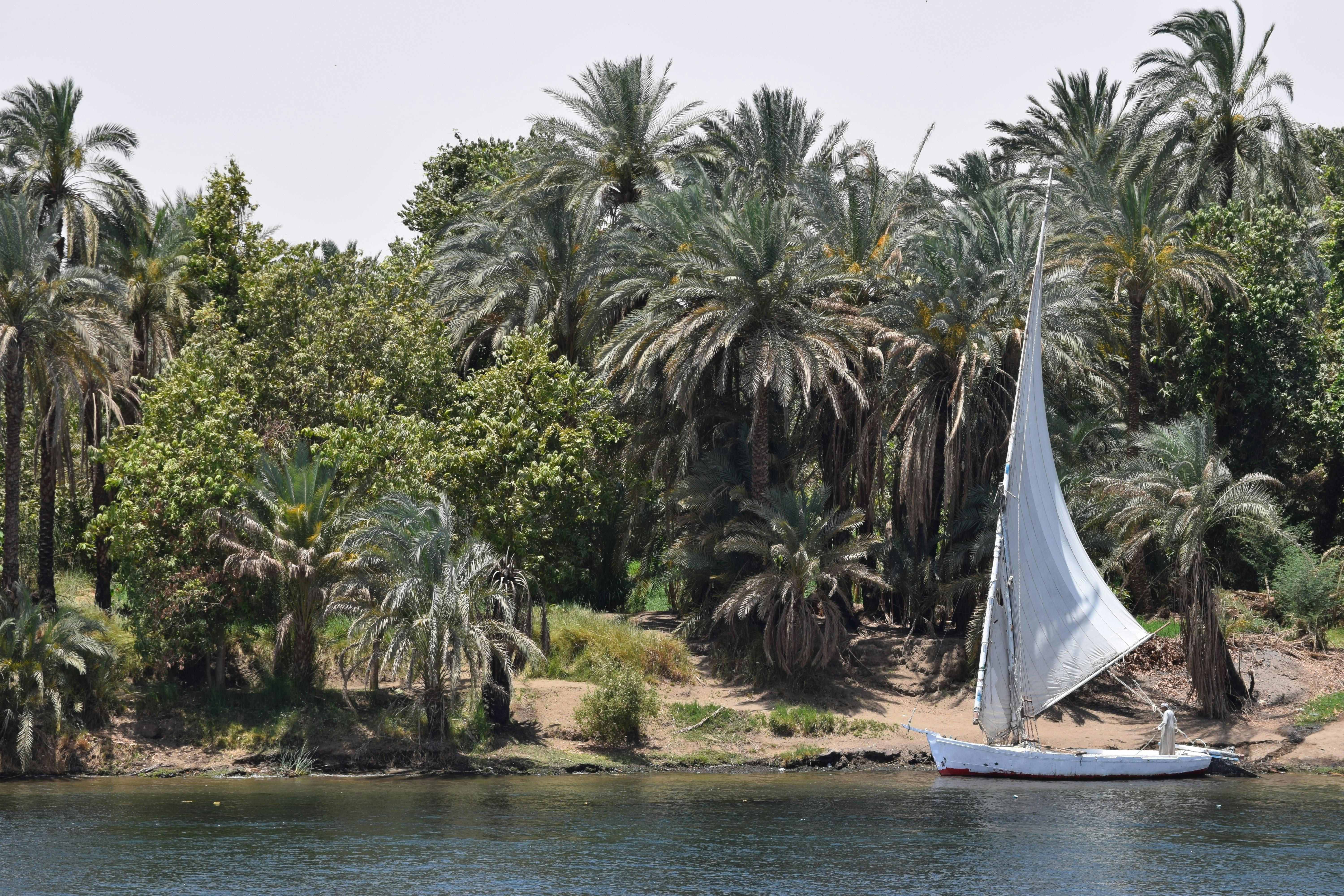
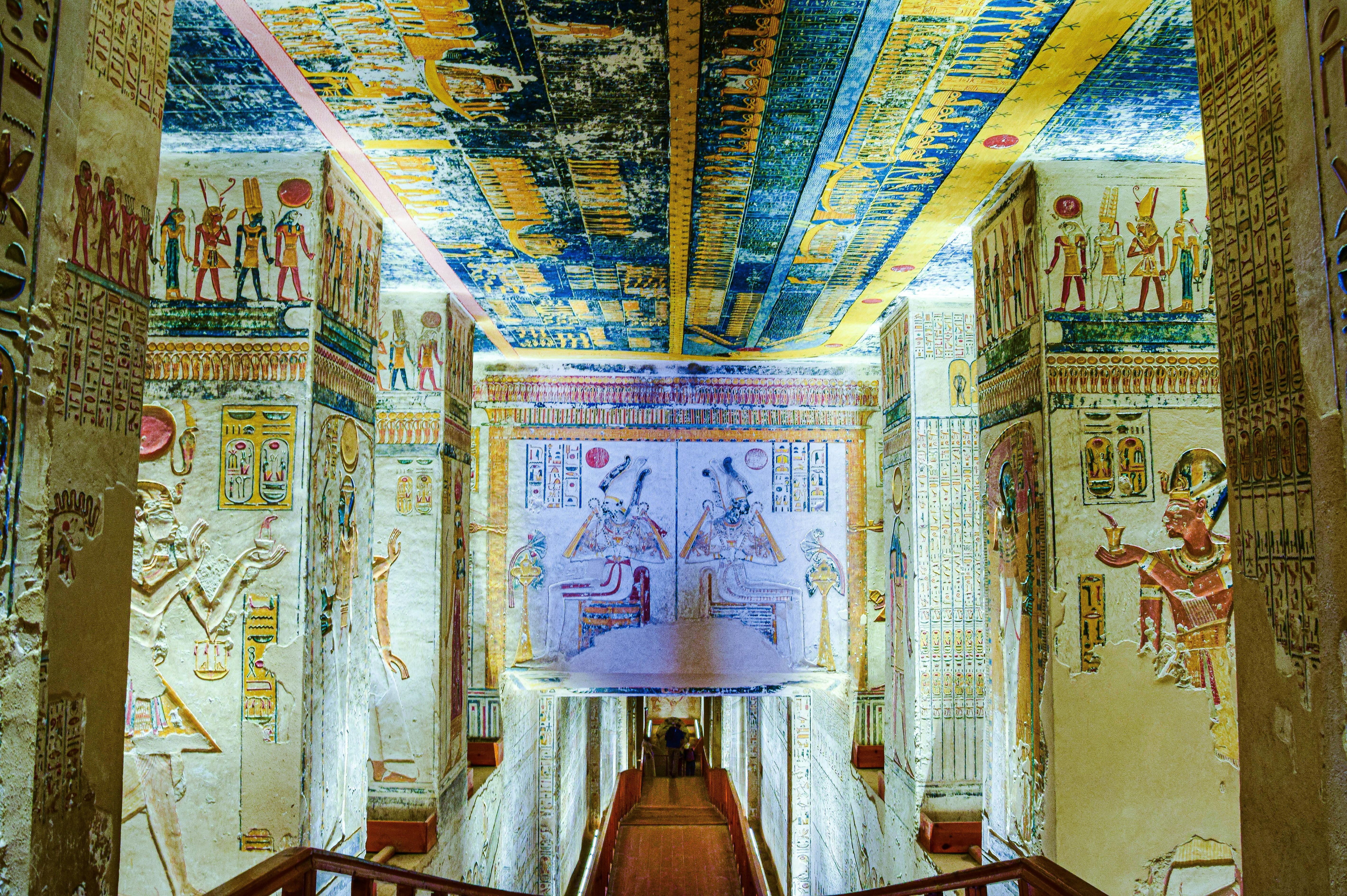
Most Egypt trips fall into a few patterns. Some people stay mainly in Cairo and Giza, with organised transport and hotel-based meals. Others combine a Nile cruise with temple visits, spend a week on the Red Sea coast, or add desert travel and overnight excursions. Families often move between busy tourist areas and quieter stops where food hygiene and access to medical care can vary. The health preparation is usually not complicated, but your route still matters. A short resort stay is different from independent travel through smaller towns, work placements, diving trips, cycling, running outdoors, or extended stays with friends and relatives. Children also change the risk discussion, especially around animal contact and stomach infections.
Most Egypt trips fall into a few patterns. Some people stay mainly in Cairo and Giza, with organised transport and hotel-based meals. Others combine a Nile cruise with temple visits, spend a week on the Red Sea coast, or add desert travel and overnight excursions. Families often move between busy tourist areas and quieter stops where food hygiene and access to medical care can vary. The health preparation is usually not complicated, but your route still matters. A short resort stay is different from independent travel through smaller towns, work placements, diving trips, cycling, running outdoors, or extended stays with friends and relatives. Children also change the risk discussion, especially around animal contact and stomach infections.
Freshwater and daytime mosquitoes deserve more attention than malaria
Malaria is not considered a risk in Egypt, following WHO malaria-free certification. That is useful to know because many people still arrive asking about tablets. Bite avoidance still matters, though. Dengue is reported in Egypt, and the mosquitoes that spread it often bite during the day, including in towns and built-up areas. Use repellent, cover skin when practical, and think about screens or air conditioning where you sleep. Hepatitis A is commonly recommended for travellers who have not previously been vaccinated, as it spreads through contaminated food and water. Tetanus should also be up to date, particularly if you may be away from good medical facilities or doing activities where cuts, burns or puncture wounds are plausible. Typhoid vaccination may be considered for longer stays, frequent travel, visits to friends or relatives, or routes where food hygiene may be less reliable. Rabies is present in Egypt, including risk from dogs and possibly bats. Pre-travel vaccination is worth discussing for children, runners, cyclists, longer trips, animal work, and travel where urgent treatment might be difficult to reach. Schistosomiasis is one of the Egypt-specific points people often miss. Avoid swimming, wading, washing or bathing in untreated freshwater such as rivers, lakes and canals. Properly chlorinated pools and sea water are different.
Malaria is not considered a risk in Egypt, following WHO malaria-free certification. That is useful to know because many people still arrive asking about tablets. Bite avoidance still matters, though. Dengue is reported in Egypt, and the mosquitoes that spread it often bite during the day, including in towns and built-up areas. Use repellent, cover skin when practical, and think about screens or air conditioning where you sleep. Hepatitis A is commonly recommended for travellers who have not previously been vaccinated, as it spreads through contaminated food and water. Tetanus should also be up to date, particularly if you may be away from good medical facilities or doing activities where cuts, burns or puncture wounds are plausible. Typhoid vaccination may be considered for longer stays, frequent travel, visits to friends or relatives, or routes where food hygiene may be less reliable. Rabies is present in Egypt, including risk from dogs and possibly bats. Pre-travel vaccination is worth discussing for children, runners, cyclists, longer trips, animal work, and travel where urgent treatment might be difficult to reach. Schistosomiasis is one of the Egypt-specific points people often miss. Avoid swimming, wading, washing or bathing in untreated freshwater such as rivers, lakes and canals. Properly chlorinated pools and sea water are different.
Book four to six weeks before departure if you can
Try to arrange your travel health appointment four to six weeks before you leave. That gives time to check your UK routine vaccines, discuss Egypt-specific risks, and start any vaccine course that needs more than one dose. If you are leaving sooner, still book. Some protection and practical advice can still be useful close to travel. Bring your itinerary, dates, previous vaccine history and any medical conditions or regular medicines. A consultation for Egypt will usually cover hepatitis A, tetanus, typhoid risk, rabies risk, yellow fever certificate rules if you are arriving from or transiting through a risk country, and whether polio documentation could apply to your route. It should also cover bite avoidance, food and water hygiene, heat, sun, travel insurance and freshwater exposure.
Try to arrange your travel health appointment four to six weeks before you leave. That gives time to check your UK routine vaccines, discuss Egypt-specific risks, and start any vaccine course that needs more than one dose. If you are leaving sooner, still book. Some protection and practical advice can still be useful close to travel. Bring your itinerary, dates, previous vaccine history and any medical conditions or regular medicines. A consultation for Egypt will usually cover hepatitis A, tetanus, typhoid risk, rabies risk, yellow fever certificate rules if you are arriving from or transiting through a risk country, and whether polio documentation could apply to your route. It should also cover bite avoidance, food and water hygiene, heat, sun, travel insurance and freshwater exposure.
Local advice before you fly
If Egypt is on your calendar, a short travel health appointment can clarify what is relevant for your route and what is not. City Of London Clinic is a private pharmacist-led travel clinic, convenient for people working or living near Farringdon and Moorgate. Book before you travel and bring your itinerary so the advice fits the trip you are actually taking.
If Egypt is on your calendar, a short travel health appointment can clarify what is relevant for your route and what is not. City Of London Clinic is a private pharmacist-led travel clinic, convenient for people working or living near Farringdon and Moorgate. Book before you travel and bring your itinerary so the advice fits the trip you are actually taking.
FAQ
Travel Health FAQs
Find clear answers to the most common travel health and malaria prevention questions.
Find clear answers to the most common travel health and malaria prevention questions.
Do I need malaria tablets for Egypt?
Malaria tablets are not advised for Egypt because the country is classed as malaria-free. You should still take mosquito bite precautions because dengue and other insect-borne infections can occur. Daytime bites matter, not just evening bites.
Which vaccinations are usually considered for Egypt?
Is yellow fever vaccination required for Egypt?
Is it safe to swim in the Nile or freshwater in Egypt?
How soon should I book Egypt travel vaccinations in London?
Do I need malaria tablets for Egypt?
Malaria tablets are not advised for Egypt because the country is classed as malaria-free. You should still take mosquito bite precautions because dengue and other insect-borne infections can occur. Daytime bites matter, not just evening bites.
Which vaccinations are usually considered for Egypt?
Is yellow fever vaccination required for Egypt?
Is it safe to swim in the Nile or freshwater in Egypt?
How soon should I book Egypt travel vaccinations in London?
Speak to the team or arrange your visit
If you are comparing clinics or unsure which service you need, we are happy to help. Call the clinic, send us a message or visit us on Goswell Road to speak with the team.
We are easy to reach from the City of London, Farringdon, Moorgate, Liverpool Street, King’s Cross and surrounding central London areas.
CoL
C
City Of London
Clinic
36 Goswell Rd., Golden Lane Estate, London EC1M 7AA
info@cityoflondonclinic.co.uk
Hours
Monday
9am - 6:30pm
Tuesday
9am - 6:30pm
Wednesday
9am - 6:30pm
Thursday
9am - 6:30pm
Friday
9am - 6:30pm
Saturday
9am - 2pm
Sunday
Closed
Speak to the team or arrange your visit
If you are comparing clinics or unsure which service you need, we are happy to help. Call the clinic, send us a message or visit us on Goswell Road to speak with the team.
We are easy to reach from the City of London, Farringdon, Moorgate, Liverpool Street, King’s Cross and surrounding central London areas.
CoL
C
City Of London
Clinic
36 Goswell Rd., Golden Lane Estate, London EC1M 7AA
info@cityoflondonclinic.co.uk
Hours
Monday
9am - 6:30pm
Tuesday
9am - 6:30pm
Wednesday
9am - 6:30pm
Thursday
9am - 6:30pm
Friday
9am - 6:30pm
Saturday
9am - 2pm
Sunday
Closed
Speak to the team or arrange your visit
If you are comparing clinics or unsure which service you need, we are happy to help. Call the clinic, send us a message or visit us on Goswell Road to speak with the team.
We are easy to reach from the City of London, Farringdon, Moorgate, Liverpool Street, King’s Cross and surrounding central London areas.
36 Goswell Rd., Golden Lane Estate, London EC1M 7AA
info@cityoflondonclinic.co.uk
Hours
Monday
9am - 6:30pm
Tuesday
9am - 6:30pm
Wednesday
9am - 6:30pm
Thursday
9am - 6:30pm
Friday
9am - 6:30pm
Saturday
9am - 2pm
Sunday
Closed
City Of London
Clinic
CoL
C