Morocco Travel Vaccinations and Health Advice
Morocco is not a malaria destination, but hepatitis A, typhoid, rabies, measles and Atlas altitude may matter. Book travel advice in London before you go.
Morocco health prep is usually practical, not complicated
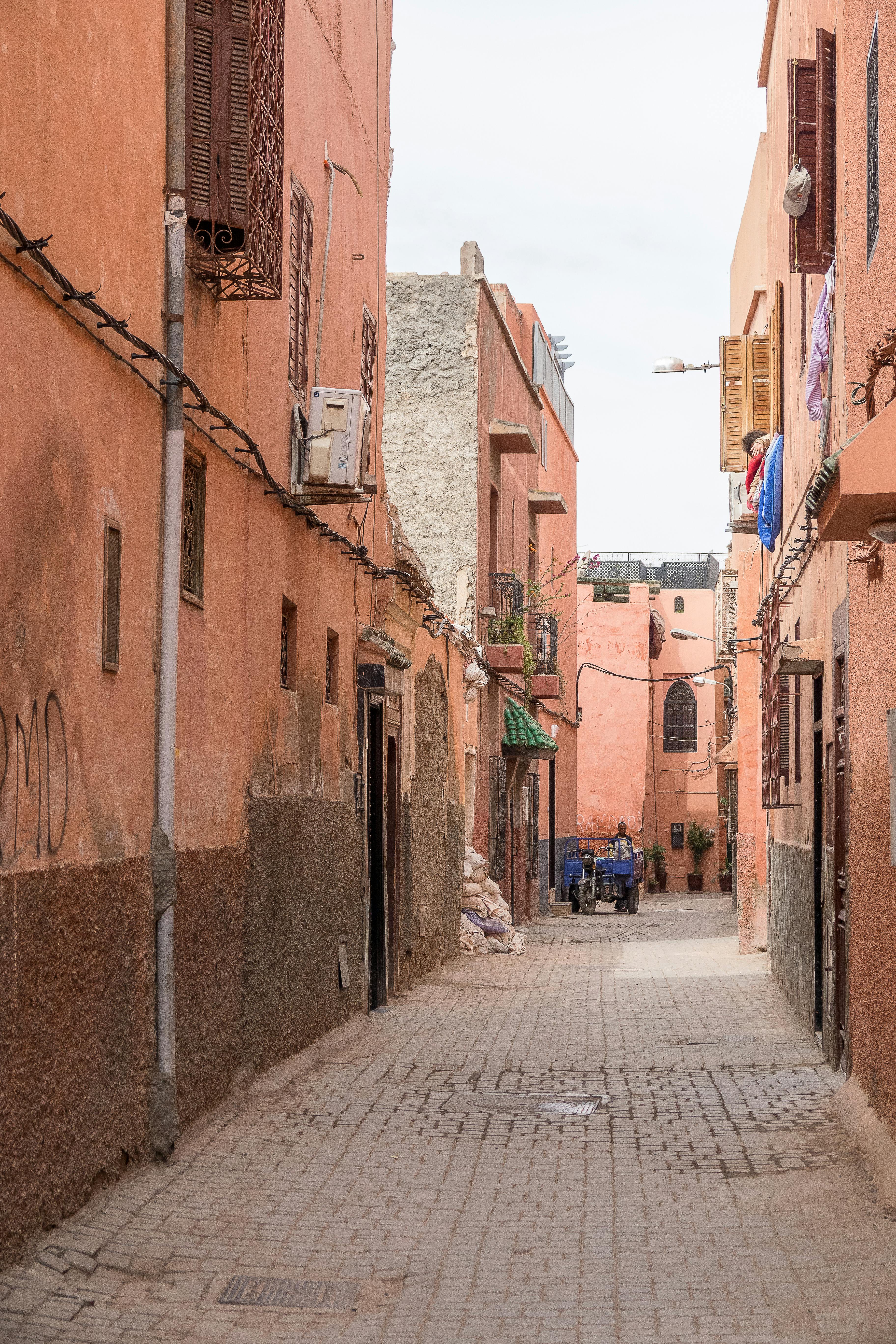
Morocco often gets treated as a low-effort short-haul trip from the UK. Health-wise, the bigger issues are usually not malaria tablets, but food and water illness, rabies exposure from animals, measles protection and altitude if you are heading into the High Atlas. City Of London Clinic in London can talk through the parts that actually apply to your route, length of stay and medical history before you travel.
Morocco often gets treated as a low-effort short-haul trip from the UK. Health-wise, the bigger issues are usually not malaria tablets, but food and water illness, rabies exposure from animals, measles protection and altitude if you are heading into the High Atlas. City Of London Clinic in London can talk through the parts that actually apply to your route, length of stay and medical history before you travel.
City breaks, family visits, surf trips and Atlas routes are different health-wise
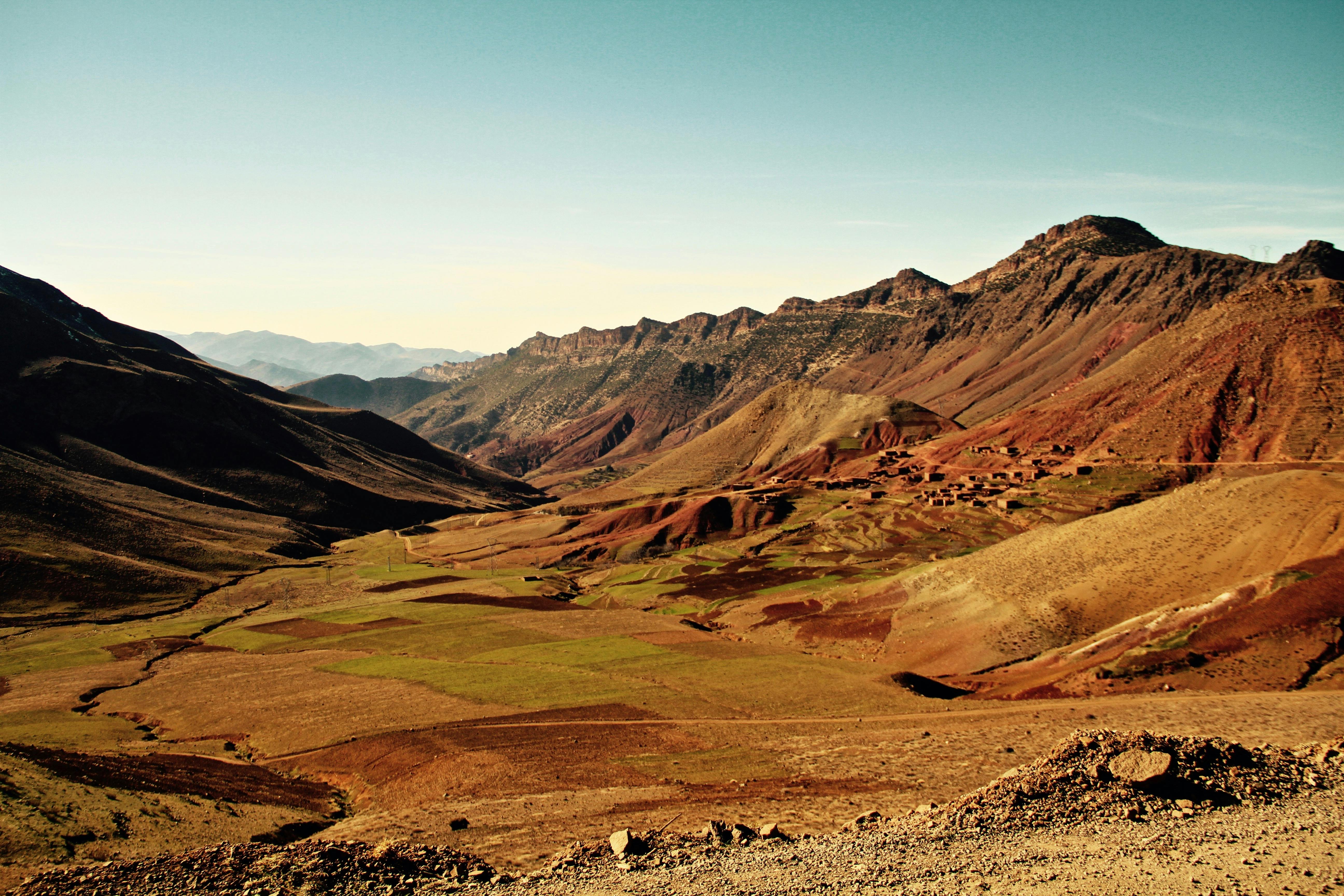
Most UK travellers go to Morocco for a fairly defined type of trip: a few days in Marrakech, Fes or Casablanca, a coastal stay around Essaouira or Agadir, visiting friends and relatives, or a more active itinerary involving desert camps, cycling, running or trekking. Those differences matter. A short hotel-based city break is not the same as a month staying with family, eating in local homes, travelling by road between towns and spending time around animals. Trekking to higher areas such as Mount Toubkal adds another layer because altitude illness becomes possible above 2,500 metres. Children also change the conversation, particularly around animal contact and whether routine UK vaccines are fully up to date.
Most UK travellers go to Morocco for a fairly defined type of trip: a few days in Marrakech, Fes or Casablanca, a coastal stay around Essaouira or Agadir, visiting friends and relatives, or a more active itinerary involving desert camps, cycling, running or trekking. Those differences matter. A short hotel-based city break is not the same as a month staying with family, eating in local homes, travelling by road between towns and spending time around animals. Trekking to higher areas such as Mount Toubkal adds another layer because altitude illness becomes possible above 2,500 metres. Children also change the conversation, particularly around animal contact and whether routine UK vaccines are fully up to date.
Rabies and routine vaccines deserve more attention than malaria
Malaria is not usually the main concern for Morocco travel. For many people, the more relevant preparation is checking food and water vaccines, routine UK immunisations and animal-bite risk. Hepatitis A is commonly recommended for previously unvaccinated travellers because it spreads through contaminated food and water. Typhoid vaccination is also often considered, especially if you are staying longer, visiting friends or relatives, travelling outside the main tourist routes, or eating in settings where food hygiene is harder to judge. Tetanus should be up to date, particularly if you may be trekking, cycling, riding animals or spending time away from easy medical care. MMR is worth checking carefully. Measles has been reported in Morocco, and adults who missed childhood doses can be less protected than they assume. Hepatitis B may be relevant for longer stays, new sexual partners, contact sports, medical treatment abroad, tattoos, piercings or work involving blood or body fluids. Rabies is present in Morocco and has been reported in domestic animals. Dogs are the usual concern, but scratches and licks to broken skin also count. Pre-travel rabies vaccination is worth discussing for children, runners, cyclists, long-stay travellers and anyone going somewhere where prompt post-bite treatment could be difficult. There is also a very low schistosomiasis risk, so avoid swimming or wading in untreated freshwater.
Malaria is not usually the main concern for Morocco travel. For many people, the more relevant preparation is checking food and water vaccines, routine UK immunisations and animal-bite risk. Hepatitis A is commonly recommended for previously unvaccinated travellers because it spreads through contaminated food and water. Typhoid vaccination is also often considered, especially if you are staying longer, visiting friends or relatives, travelling outside the main tourist routes, or eating in settings where food hygiene is harder to judge. Tetanus should be up to date, particularly if you may be trekking, cycling, riding animals or spending time away from easy medical care. MMR is worth checking carefully. Measles has been reported in Morocco, and adults who missed childhood doses can be less protected than they assume. Hepatitis B may be relevant for longer stays, new sexual partners, contact sports, medical treatment abroad, tattoos, piercings or work involving blood or body fluids. Rabies is present in Morocco and has been reported in domestic animals. Dogs are the usual concern, but scratches and licks to broken skin also count. Pre-travel rabies vaccination is worth discussing for children, runners, cyclists, long-stay travellers and anyone going somewhere where prompt post-bite treatment could be difficult. There is also a very low schistosomiasis risk, so avoid swimming or wading in untreated freshwater.
Four to six weeks gives you the cleanest options
Book a travel health appointment four to six weeks before departure if you can. That gives time to check your vaccine record, start any multi-dose courses if they are appropriate, and talk through your actual route rather than treating Morocco as one single risk category. If you are leaving sooner, still come in. Some protection and practical advice can still be useful close to travel. Bring your itinerary, dates, previous vaccination history and any regular medicines. A consultation for Morocco usually covers hepatitis A, typhoid, tetanus, MMR, rabies risk and, where relevant, hepatitis B. It should also cover bite avoidance, safe food and water habits, sun and heat planning, travel insurance, and altitude precautions if you are going into the High Atlas.
Book a travel health appointment four to six weeks before departure if you can. That gives time to check your vaccine record, start any multi-dose courses if they are appropriate, and talk through your actual route rather than treating Morocco as one single risk category. If you are leaving sooner, still come in. Some protection and practical advice can still be useful close to travel. Bring your itinerary, dates, previous vaccination history and any regular medicines. A consultation for Morocco usually covers hepatitis A, typhoid, tetanus, MMR, rabies risk and, where relevant, hepatitis B. It should also cover bite avoidance, safe food and water habits, sun and heat planning, travel insurance, and altitude precautions if you are going into the High Atlas.
A quick appointment before Morocco
If you are planning Morocco travel and want clear advice before you leave, book with City Of London Clinic. The clinic is based at 36 Goswell Rd, convenient for people travelling in from Farringdon or Moorgate, and runs weekday and Saturday appointments. Bring your plans; we will work through the vaccines and practical risks that fit your trip.
If you are planning Morocco travel and want clear advice before you leave, book with City Of London Clinic. The clinic is based at 36 Goswell Rd, convenient for people travelling in from Farringdon or Moorgate, and runs weekday and Saturday appointments. Bring your plans; we will work through the vaccines and practical risks that fit your trip.
FAQ
Travel Health FAQs
Find clear answers to the most common travel health and malaria prevention questions.
Find clear answers to the most common travel health and malaria prevention questions.
Do I need vaccinations for Morocco from the UK?
Many travellers should consider hepatitis A and typhoid, and your routine UK vaccines such as MMR and tetanus should be up to date. Rabies and hepatitis B are not needed by everyone, but they may be sensible depending on your activities, length of stay and access to medical care.
How long before travelling to Morocco should I book a travel clinic appointment?
Is malaria a risk in Morocco?
Should I have a rabies vaccine before Morocco?
Is altitude sickness a concern in Morocco?
Do I need vaccinations for Morocco from the UK?
Many travellers should consider hepatitis A and typhoid, and your routine UK vaccines such as MMR and tetanus should be up to date. Rabies and hepatitis B are not needed by everyone, but they may be sensible depending on your activities, length of stay and access to medical care.
How long before travelling to Morocco should I book a travel clinic appointment?
Is malaria a risk in Morocco?
Should I have a rabies vaccine before Morocco?
Is altitude sickness a concern in Morocco?
Speak to the team or arrange your visit
If you are comparing clinics or unsure which service you need, we are happy to help. Call the clinic, send us a message or visit us on Goswell Road to speak with the team.
We are easy to reach from the City of London, Farringdon, Moorgate, Liverpool Street, King’s Cross and surrounding central London areas.
CoL
C
City Of London
Clinic
36 Goswell Rd., Golden Lane Estate, London EC1M 7AA
info@cityoflondonclinic.co.uk
Hours
Monday
9am - 6:30pm
Tuesday
9am - 6:30pm
Wednesday
9am - 6:30pm
Thursday
9am - 6:30pm
Friday
9am - 6:30pm
Saturday
9am - 2pm
Sunday
Closed
Speak to the team or arrange your visit
If you are comparing clinics or unsure which service you need, we are happy to help. Call the clinic, send us a message or visit us on Goswell Road to speak with the team.
We are easy to reach from the City of London, Farringdon, Moorgate, Liverpool Street, King’s Cross and surrounding central London areas.
CoL
C
City Of London
Clinic
36 Goswell Rd., Golden Lane Estate, London EC1M 7AA
info@cityoflondonclinic.co.uk
Hours
Monday
9am - 6:30pm
Tuesday
9am - 6:30pm
Wednesday
9am - 6:30pm
Thursday
9am - 6:30pm
Friday
9am - 6:30pm
Saturday
9am - 2pm
Sunday
Closed
Speak to the team or arrange your visit
If you are comparing clinics or unsure which service you need, we are happy to help. Call the clinic, send us a message or visit us on Goswell Road to speak with the team.
We are easy to reach from the City of London, Farringdon, Moorgate, Liverpool Street, King’s Cross and surrounding central London areas.
36 Goswell Rd., Golden Lane Estate, London EC1M 7AA
info@cityoflondonclinic.co.uk
Hours
Monday
9am - 6:30pm
Tuesday
9am - 6:30pm
Wednesday
9am - 6:30pm
Thursday
9am - 6:30pm
Friday
9am - 6:30pm
Saturday
9am - 2pm
Sunday
Closed
City Of London
Clinic
CoL
C