Japanese Encephalitis Vaccine in London
Plan JE vaccination for rural or longer trips in Asia and the Western Pacific. Book a travel health appointment at our Goswell Road clinic in London.
Japanese encephalitis vaccination before travel
Longer trips through rural Asia can bring a few health risks that do not show up on a standard city break checklist. Japanese encephalitis is one of them. At City Of London Clinic in EC1, we assess whether the vaccine makes sense for your route, dates and plans, then explain the schedule in plain English. This page covers what the infection is, who tends to need vaccination, and how early to book.
Longer trips through rural Asia can bring a few health risks that do not show up on a standard city break checklist. Japanese encephalitis is one of them. At City Of London Clinic in EC1, we assess whether the vaccine makes sense for your route, dates and plans, then explain the schedule in plain English. This page covers what the infection is, who tends to need vaccination, and how early to book.
A mosquito-borne brain infection with uneven risk
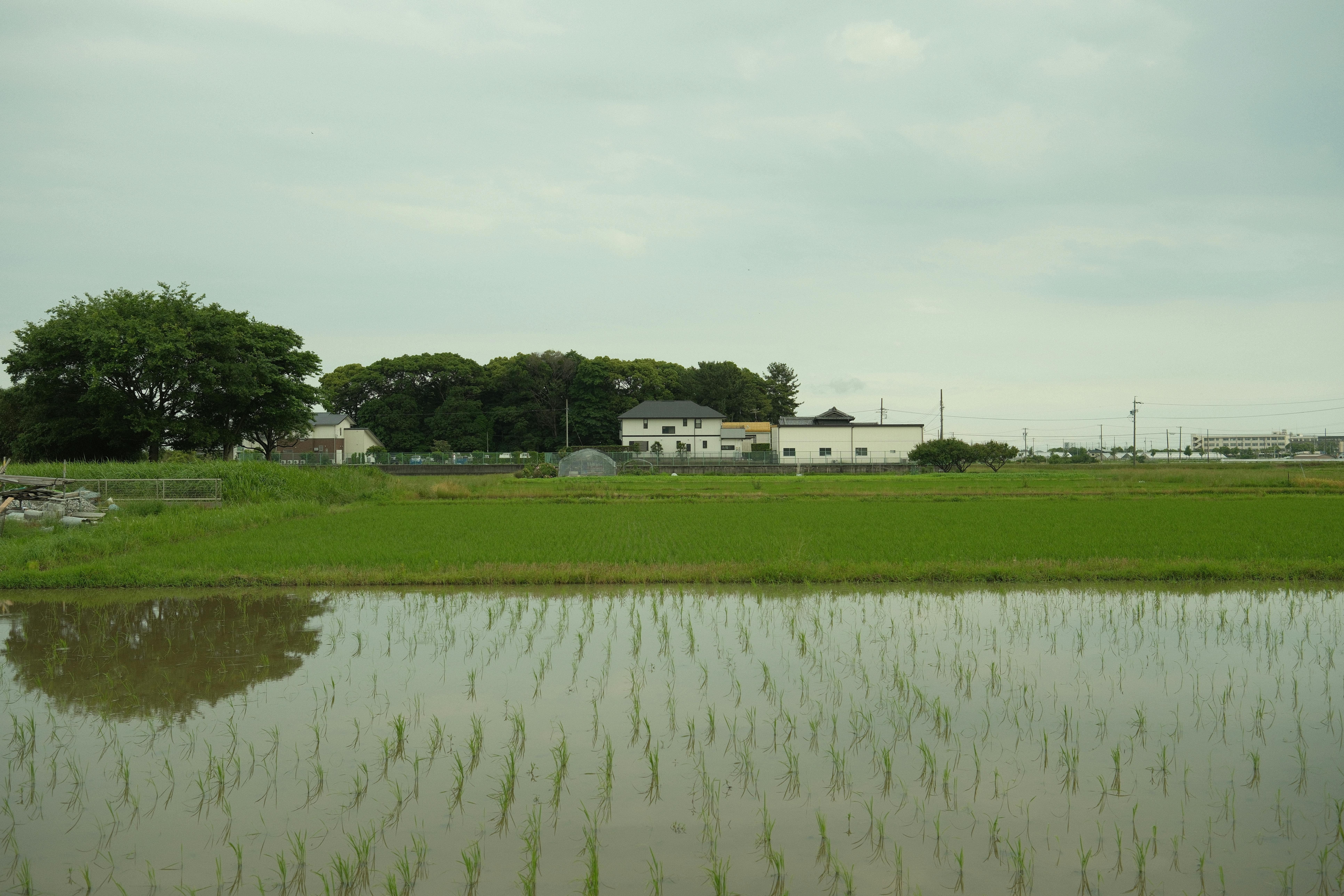
Japanese encephalitis, often shortened to JE, is a viral infection spread by Culex mosquitoes. These mosquitoes tend to bite from dusk to dawn and are linked with rural and peri-urban areas where rice fields, marshland, pigs and wading birds are part of the local environment. Most infections cause no symptoms or only mild illness. The concern is the small proportion that develop encephalitis, meaning inflammation of the brain. Severe JE can start with fever, headache, neck stiffness, confusion, seizures or coma. Some people die, and some survivors are left with long-term neurological, behavioural or learning problems. For travellers, the risk is usually low, especially on short urban trips. A week in central Tokyo is not the same as a month cycling through rural Vietnam, staying near rice fields in northern Thailand, or doing fieldwork in rural India during the rainy season. Mosquito exposure at night matters.
Japanese encephalitis, often shortened to JE, is a viral infection spread by Culex mosquitoes. These mosquitoes tend to bite from dusk to dawn and are linked with rural and peri-urban areas where rice fields, marshland, pigs and wading birds are part of the local environment. Most infections cause no symptoms or only mild illness. The concern is the small proportion that develop encephalitis, meaning inflammation of the brain. Severe JE can start with fever, headache, neck stiffness, confusion, seizures or coma. Some people die, and some survivors are left with long-term neurological, behavioural or learning problems. For travellers, the risk is usually low, especially on short urban trips. A week in central Tokyo is not the same as a month cycling through rural Vietnam, staying near rice fields in northern Thailand, or doing fieldwork in rural India during the rainy season. Mosquito exposure at night matters.
What the vaccine does, and how the course is usually timed
The Japanese encephalitis vaccine used in the UK is designed to reduce your risk of JE infection if you are exposed while travelling. It does not cover other mosquito-borne infections such as dengue or malaria, so bite avoidance still matters: repellent, covered skin in the evening, screened rooms and sensible accommodation choices all count. The standard primary course is two doses, usually given 28 days apart. Adults in a suitable age range may be able to use an accelerated schedule, with the second dose one week after the first, if time is tight. The course should be completed at least a week before possible exposure, so booking early is cleaner than trying to squeeze it in the day before a flight. The vaccine can be considered for children from early infancy, but children are assessed individually. A booster may be advised if you travel again to risk areas or remain at ongoing risk. Common after-effects include a sore or tender arm, muscle aches and feeling mildly unwell for a short time.
The Japanese encephalitis vaccine used in the UK is designed to reduce your risk of JE infection if you are exposed while travelling. It does not cover other mosquito-borne infections such as dengue or malaria, so bite avoidance still matters: repellent, covered skin in the evening, screened rooms and sensible accommodation choices all count. The standard primary course is two doses, usually given 28 days apart. Adults in a suitable age range may be able to use an accelerated schedule, with the second dose one week after the first, if time is tight. The course should be completed at least a week before possible exposure, so booking early is cleaner than trying to squeeze it in the day before a flight. The vaccine can be considered for children from early infancy, but children are assessed individually. A booster may be advised if you travel again to risk areas or remain at ongoing risk. Common after-effects include a sore or tender arm, muscle aches and feeling mildly unwell for a short time.
Trips where JE comes onto the list
JE occurs in parts of East Asia, Southeast Asia, South Asia and the Western Pacific. It is associated with countries such as Thailand, Vietnam, Cambodia, Laos, Indonesia, the Philippines, China, Japan, South Korea, India, Nepal, Bangladesh and Sri Lanka, although risk is not the same across every district or season. Vaccination is more often recommended for people staying a month or longer in a risk area, living there, travelling repeatedly, or spending time rurally. Shorter trips may still warrant it if you will be camping, working outdoors, visiting farms, staying near rice-growing areas, or travelling with loose plans. Rainy seasons and local outbreaks can also shift the advice.
JE occurs in parts of East Asia, Southeast Asia, South Asia and the Western Pacific. It is associated with countries such as Thailand, Vietnam, Cambodia, Laos, Indonesia, the Philippines, China, Japan, South Korea, India, Nepal, Bangladesh and Sri Lanka, although risk is not the same across every district or season. Vaccination is more often recommended for people staying a month or longer in a risk area, living there, travelling repeatedly, or spending time rurally. Shorter trips may still warrant it if you will be camping, working outdoors, visiting farms, staying near rice-growing areas, or travelling with loose plans. Rainy seasons and local outbreaks can also shift the advice.
Plan it before the itinerary gets crowded
If your trip includes rural nights, longer stays or repeated travel to Asia or the Western Pacific, book a travel health appointment before your dates get too close. The clinic is on Goswell Road, convenient for people coming from Farringdon or Moorgate during the working day. Bring your itinerary, previous vaccine records if you have them, and any medical details that could affect vaccine advice.
If your trip includes rural nights, longer stays or repeated travel to Asia or the Western Pacific, book a travel health appointment before your dates get too close. The clinic is on Goswell Road, convenient for people coming from Farringdon or Moorgate during the working day. Bring your itinerary, previous vaccine records if you have them, and any medical details that could affect vaccine advice.
FAQ
Travel Health FAQs
Find clear answers to the most common travel health and malaria prevention questions.
Find clear answers to the most common travel health and malaria prevention questions.
How early should I book the Japanese encephalitis vaccine before travel?
Ideally, book at least five to six weeks before you may be exposed, because the standard course is two doses 28 days apart and should be finished at least a week before risk. If you are leaving sooner, still ask; an accelerated schedule may be suitable for some adults.
Do I need the JE vaccine for a short holiday in Thailand or Vietnam?
Can children have the Japanese encephalitis vaccine?
Who should not have the Japanese encephalitis vaccine?
Will the vaccine stop me getting bitten by mosquitoes?
How early should I book the Japanese encephalitis vaccine before travel?
Ideally, book at least five to six weeks before you may be exposed, because the standard course is two doses 28 days apart and should be finished at least a week before risk. If you are leaving sooner, still ask; an accelerated schedule may be suitable for some adults.
Do I need the JE vaccine for a short holiday in Thailand or Vietnam?
Can children have the Japanese encephalitis vaccine?
Who should not have the Japanese encephalitis vaccine?
Will the vaccine stop me getting bitten by mosquitoes?
Speak to the team or arrange your visit
If you are comparing clinics or unsure which service you need, we are happy to help. Call the clinic, send us a message or visit us on Goswell Road to speak with the team.
We are easy to reach from the City of London, Farringdon, Moorgate, Liverpool Street, King’s Cross and surrounding central London areas.
CoL
C
City Of London
Clinic
36 Goswell Rd., Golden Lane Estate, London EC1M 7AA
info@cityoflondonclinic.co.uk
Hours
Monday
9am - 6:30pm
Tuesday
9am - 6:30pm
Wednesday
9am - 6:30pm
Thursday
9am - 6:30pm
Friday
9am - 6:30pm
Saturday
9am - 2pm
Sunday
Closed
Speak to the team or arrange your visit
If you are comparing clinics or unsure which service you need, we are happy to help. Call the clinic, send us a message or visit us on Goswell Road to speak with the team.
We are easy to reach from the City of London, Farringdon, Moorgate, Liverpool Street, King’s Cross and surrounding central London areas.
CoL
C
City Of London
Clinic
36 Goswell Rd., Golden Lane Estate, London EC1M 7AA
info@cityoflondonclinic.co.uk
Hours
Monday
9am - 6:30pm
Tuesday
9am - 6:30pm
Wednesday
9am - 6:30pm
Thursday
9am - 6:30pm
Friday
9am - 6:30pm
Saturday
9am - 2pm
Sunday
Closed
Speak to the team or arrange your visit
If you are comparing clinics or unsure which service you need, we are happy to help. Call the clinic, send us a message or visit us on Goswell Road to speak with the team.
We are easy to reach from the City of London, Farringdon, Moorgate, Liverpool Street, King’s Cross and surrounding central London areas.
36 Goswell Rd., Golden Lane Estate, London EC1M 7AA
info@cityoflondonclinic.co.uk
Hours
Monday
9am - 6:30pm
Tuesday
9am - 6:30pm
Wednesday
9am - 6:30pm
Thursday
9am - 6:30pm
Friday
9am - 6:30pm
Saturday
9am - 2pm
Sunday
Closed
City Of London
Clinic
CoL
C