
Bali Travel Vaccinations and Health Advice
Bali is low risk for malaria, but dengue, rabies and food or water infections matter. Get pharmacist-led travel vaccine advice in London before you go.
Bali’s main risks are easy to underestimate
For many Bali itineraries, malaria is not the issue people imagine. The more relevant problems are usually daytime mosquitoes, animal bites, food and water infections, and whether your routine UK jabs are up to date. City Of London Clinic in London sees travellers heading for Bali holidays, family visits, retreats, diving trips and longer Indonesia routes. This page gives you a practical health briefing before you book your travel vaccinations.
For many Bali itineraries, malaria is not the issue people imagine. The more relevant problems are usually daytime mosquitoes, animal bites, food and water infections, and whether your routine UK jabs are up to date. City Of London Clinic in London sees travellers heading for Bali holidays, family visits, retreats, diving trips and longer Indonesia routes. This page gives you a practical health briefing before you book your travel vaccinations.
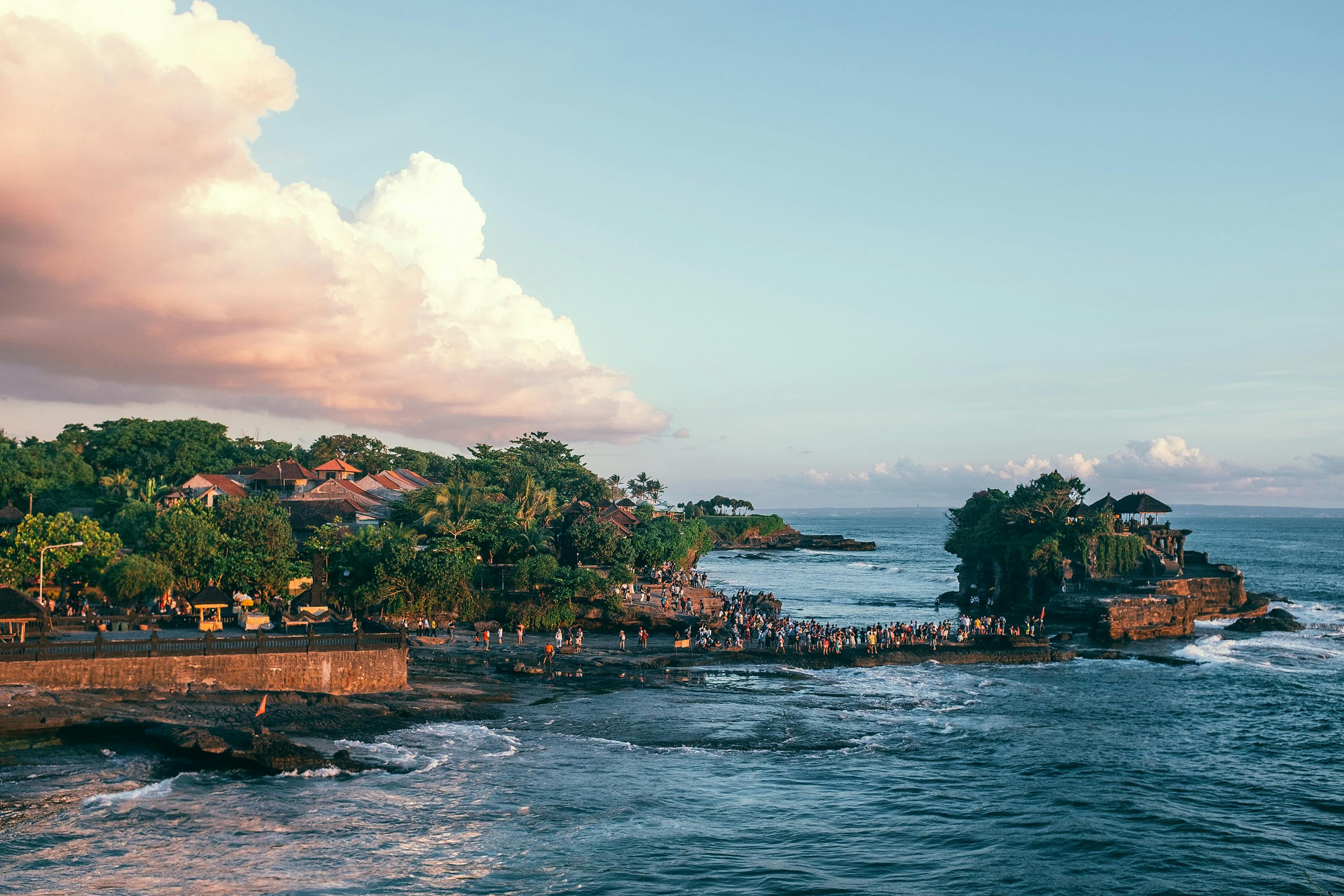
What your Bali plans say about your health preparation
Most UK travellers go to Bali for a fairly mixed trip: beach time, restaurants, temples, scooter travel, yoga retreats, diving, surfing, hiking, or a few nights inland around Ubud and rice-growing areas. Some stay in well-run hotels for ten days. Others rent villas, move between islands, volunteer, work remotely, or combine Bali with Lombok, Java or more remote parts of Indonesia. Those details matter clinically. A short resort-based stay with careful food choices is a different consultation from a month of rural travel, frequent scooter rides, animal contact and local eating. Children also change the discussion, especially around rabies exposure, dehydration from stomach illness and how quickly you could reach medical care after a bite.
Most UK travellers go to Bali for a fairly mixed trip: beach time, restaurants, temples, scooter travel, yoga retreats, diving, surfing, hiking, or a few nights inland around Ubud and rice-growing areas. Some stay in well-run hotels for ten days. Others rent villas, move between islands, volunteer, work remotely, or combine Bali with Lombok, Java or more remote parts of Indonesia. Those details matter clinically. A short resort-based stay with careful food choices is a different consultation from a month of rural travel, frequent scooter rides, animal contact and local eating. Children also change the discussion, especially around rabies exposure, dehydration from stomach illness and how quickly you could reach medical care after a bite.
Daytime mosquitoes and animal bites sit higher on the list than malaria
Bali is classed as a low-risk malaria area. For most short-stay travellers, careful bite avoidance is usually the main malaria advice rather than routine malaria tablets. Antimalarials may still be discussed for higher-risk travellers, such as young children, pregnant travellers, older adults, people with complex medical conditions or those with an absent or poorly functioning spleen. Dengue is a clearer day-to-day concern. The mosquitoes that spread dengue often bite during daylight hours and are common around towns, villages and built-up areas. Zika risk is also reported in Indonesia, so anyone pregnant, trying to conceive, or travelling with a partner who may become pregnant should get specific advice before departure. Hepatitis A is commonly recommended for previously unvaccinated travellers because it spreads through contaminated food and water. Typhoid vaccination is often considered too, especially if you will eat in lower-hygiene settings, travel for longer, visit friends or relatives, or stay outside the main tourist areas. Tetanus should be current. Rabies is present in Indonesia and has been reported in domestic animals. In Bali, dogs and monkeys are the obvious practical concern. Pre-travel rabies vaccination is worth discussing for children, runners, cyclists, long-stay visitors and anyone going where prompt treatment after a bite could be difficult. Japanese encephalitis may be relevant for longer rural stays or trips involving rice fields, pig farming areas or repeated evening exposure outdoors.
Bali is classed as a low-risk malaria area. For most short-stay travellers, careful bite avoidance is usually the main malaria advice rather than routine malaria tablets. Antimalarials may still be discussed for higher-risk travellers, such as young children, pregnant travellers, older adults, people with complex medical conditions or those with an absent or poorly functioning spleen. Dengue is a clearer day-to-day concern. The mosquitoes that spread dengue often bite during daylight hours and are common around towns, villages and built-up areas. Zika risk is also reported in Indonesia, so anyone pregnant, trying to conceive, or travelling with a partner who may become pregnant should get specific advice before departure. Hepatitis A is commonly recommended for previously unvaccinated travellers because it spreads through contaminated food and water. Typhoid vaccination is often considered too, especially if you will eat in lower-hygiene settings, travel for longer, visit friends or relatives, or stay outside the main tourist areas. Tetanus should be current. Rabies is present in Indonesia and has been reported in domestic animals. In Bali, dogs and monkeys are the obvious practical concern. Pre-travel rabies vaccination is worth discussing for children, runners, cyclists, long-stay visitors and anyone going where prompt treatment after a bite could be difficult. Japanese encephalitis may be relevant for longer rural stays or trips involving rice fields, pig farming areas or repeated evening exposure outdoors.
Four to six weeks gives you more choice
Book a travel consultation around four to six weeks before you leave if you can. That leaves time to check your UK routine vaccinations, discuss hepatitis A, typhoid, tetanus and any itinerary-specific jabs, and plan courses that need more than one dose. If your flight is sooner, still come in. Some protection and practical advice may still be useful. Bring your itinerary, previous vaccine records and any regular medicines. Mention pregnancy, fertility plans, immune system problems, allergies and long-term conditions. For Bali, the consultation should also cover mosquito bite prevention for daytime and evening biting insects, food and water precautions, travel insurance, basic diarrhoea planning, wound care after animal contact, and what to do if you develop a fever after returning.
Book a travel consultation around four to six weeks before you leave if you can. That leaves time to check your UK routine vaccinations, discuss hepatitis A, typhoid, tetanus and any itinerary-specific jabs, and plan courses that need more than one dose. If your flight is sooner, still come in. Some protection and practical advice may still be useful. Bring your itinerary, previous vaccine records and any regular medicines. Mention pregnancy, fertility plans, immune system problems, allergies and long-term conditions. For Bali, the consultation should also cover mosquito bite prevention for daytime and evening biting insects, food and water precautions, travel insurance, basic diarrhoea planning, wound care after animal contact, and what to do if you develop a fever after returning.
A local appointment before Bali
If you are travelling to Bali from the City, City Of London Clinic can review your plans and advise on suitable travel vaccinations without turning the appointment into a lecture. We are on Goswell Road, convenient for people working near Farringdon or Moorgate. Book before your departure date is too close, especially if your trip is longer, rural, or includes children.
If you are travelling to Bali from the City, City Of London Clinic can review your plans and advise on suitable travel vaccinations without turning the appointment into a lecture. We are on Goswell Road, convenient for people working near Farringdon or Moorgate. Book before your departure date is too close, especially if your trip is longer, rural, or includes children.
FAQ
Travel Health FAQs
Find clear answers to the most common travel health and malaria prevention questions.
Find clear answers to the most common travel health and malaria prevention questions.
Do I need malaria tablets for Bali?
Most travellers to Bali do not routinely need malaria tablets because Bali is classed as a low-risk area. Bite avoidance still matters, particularly from dusk to dawn for malaria prevention and during the day for dengue. Some higher-risk travellers should discuss tablets individually before travel.
Which vaccinations are usually recommended for Bali?
How soon before travelling to Bali should I book travel vaccinations?
Is dengue a risk in Bali?
Should I have a rabies vaccine before Bali?
Do I need malaria tablets for Bali?
Most travellers to Bali do not routinely need malaria tablets because Bali is classed as a low-risk area. Bite avoidance still matters, particularly from dusk to dawn for malaria prevention and during the day for dengue. Some higher-risk travellers should discuss tablets individually before travel.
Which vaccinations are usually recommended for Bali?
How soon before travelling to Bali should I book travel vaccinations?
Is dengue a risk in Bali?
Should I have a rabies vaccine before Bali?
Speak to the team or arrange your visit
If you are comparing clinics or unsure which service you need, we are happy to help. Call the clinic, send us a message or visit us on Goswell Road to speak with the team.
We are easy to reach from the City of London, Farringdon, Moorgate, Liverpool Street, King’s Cross and surrounding central London areas.
CoL
C
City Of London
Clinic
36 Goswell Rd., Golden Lane Estate, London EC1M 7AA
info@cityoflondonclinic.co.uk
Hours
Monday
9am - 6:30pm
Tuesday
9am - 6:30pm
Wednesday
9am - 6:30pm
Thursday
9am - 6:30pm
Friday
9am - 6:30pm
Saturday
9am - 2pm
Sunday
Closed
Speak to the team or arrange your visit
If you are comparing clinics or unsure which service you need, we are happy to help. Call the clinic, send us a message or visit us on Goswell Road to speak with the team.
We are easy to reach from the City of London, Farringdon, Moorgate, Liverpool Street, King’s Cross and surrounding central London areas.
CoL
C
City Of London
Clinic
36 Goswell Rd., Golden Lane Estate, London EC1M 7AA
info@cityoflondonclinic.co.uk
Hours
Monday
9am - 6:30pm
Tuesday
9am - 6:30pm
Wednesday
9am - 6:30pm
Thursday
9am - 6:30pm
Friday
9am - 6:30pm
Saturday
9am - 2pm
Sunday
Closed
Speak to the team or arrange your visit
If you are comparing clinics or unsure which service you need, we are happy to help. Call the clinic, send us a message or visit us on Goswell Road to speak with the team.
We are easy to reach from the City of London, Farringdon, Moorgate, Liverpool Street, King’s Cross and surrounding central London areas.
36 Goswell Rd., Golden Lane Estate, London EC1M 7AA
info@cityoflondonclinic.co.uk
Hours
Monday
9am - 6:30pm
Tuesday
9am - 6:30pm
Wednesday
9am - 6:30pm
Thursday
9am - 6:30pm
Friday
9am - 6:30pm
Saturday
9am - 2pm
Sunday
Closed
City Of London
Clinic
CoL
C