
Pakistan Travel Vaccinations and Health Advice
Pakistan needs careful planning for XDR typhoid, polio certificate rules, rabies and mosquito risks. Book travel vaccines at our London clinic.
Polio paperwork and typhoid need early attention
Polio and typhoid are the two Pakistan issues I would put near the top of the list. Pakistan has specific polio certificate considerations for some longer-stay travellers, and extensively drug-resistant typhoid has been reported there. City Of London Clinic in London can talk through what applies to your itinerary, your vaccine history and how long you plan to stay. This page gives you the practical version: vaccines, malaria, bite prevention, food and water risks, and the timing to think about before you fly.
Polio and typhoid are the two Pakistan issues I would put near the top of the list. Pakistan has specific polio certificate considerations for some longer-stay travellers, and extensively drug-resistant typhoid has been reported there. City Of London Clinic in London can talk through what applies to your itinerary, your vaccine history and how long you plan to stay. This page gives you the practical version: vaccines, malaria, bite prevention, food and water risks, and the timing to think about before you fly.
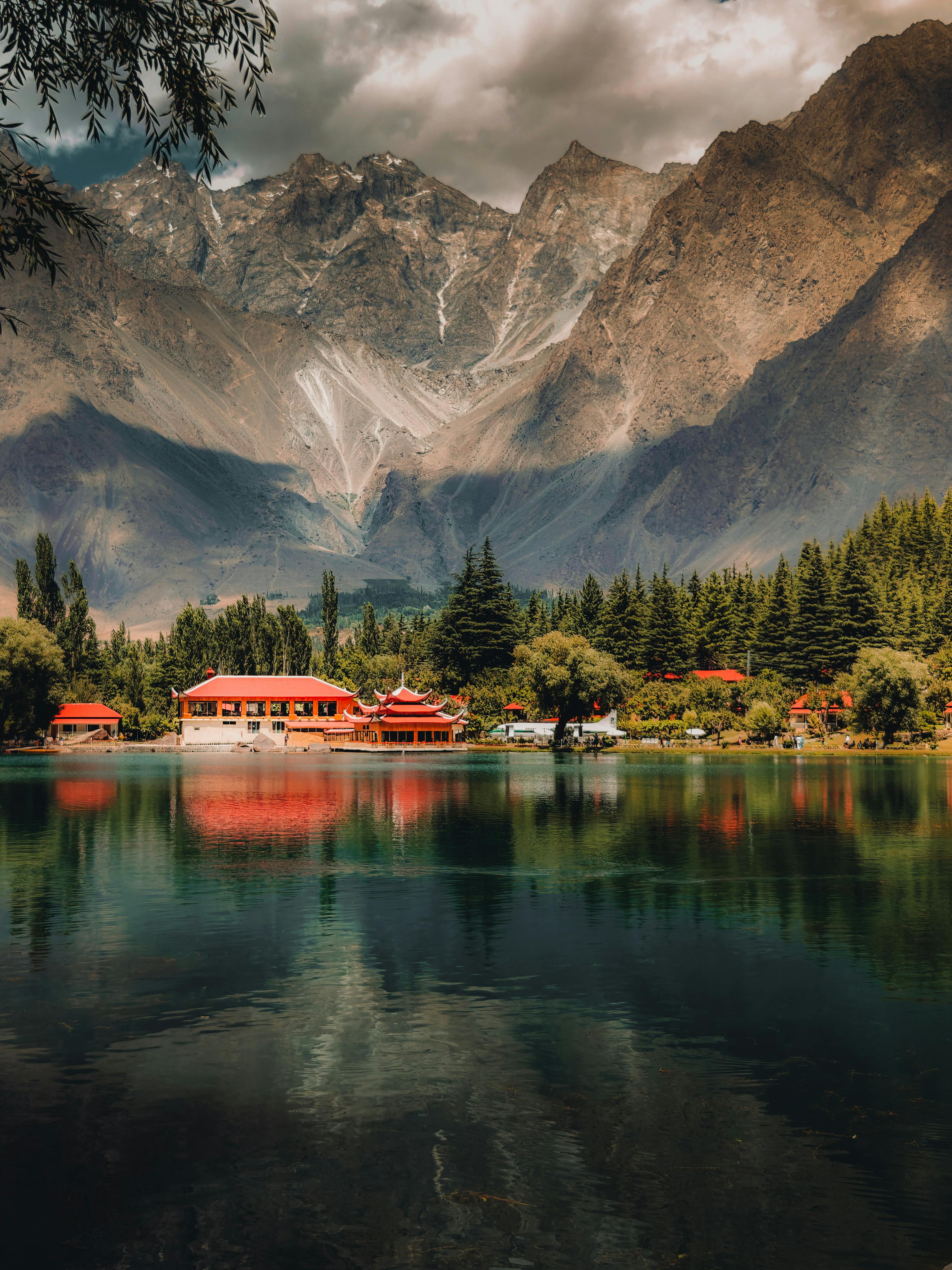
Family visits, city stays and northern routes are very different trips
Many UK travellers go to Pakistan to visit friends and relatives, often staying in family homes rather than hotels. That changes the health conversation. You may eat more local food, spend longer away, travel between cities and villages, or have closer contact with animals and children than a short business visitor would. Other trips are built around work in Karachi, Lahore or Islamabad, trekking and road travel in the north, weddings, study, charity work or long family stays over the summer. A two-week city stay and a six-week trip across Punjab, Sindh and rural areas do not carry the same practical risks. Children, pregnant travellers, older adults and anyone with a long-term condition deserve a more careful pre-travel check because small gaps in preparation can matter more once you are there.
Many UK travellers go to Pakistan to visit friends and relatives, often staying in family homes rather than hotels. That changes the health conversation. You may eat more local food, spend longer away, travel between cities and villages, or have closer contact with animals and children than a short business visitor would. Other trips are built around work in Karachi, Lahore or Islamabad, trekking and road travel in the north, weddings, study, charity work or long family stays over the summer. A two-week city stay and a six-week trip across Punjab, Sindh and rural areas do not carry the same practical risks. Children, pregnant travellers, older adults and anyone with a long-term condition deserve a more careful pre-travel check because small gaps in preparation can matter more once you are there.
XDR typhoid and polio make Pakistan less routine than it looks
Hepatitis A is commonly recommended for previously unvaccinated travellers to Pakistan because it spreads through contaminated food and water. Typhoid vaccination is also important for most travellers, particularly if you are visiting friends and relatives, staying longer, travelling with children or eating in settings where food hygiene is hard to judge. Pakistan has had extensively drug-resistant typhoid since 2016, with cases seen in travellers returning to the UK, so being in date matters. Tetanus should be up to date. Polio needs separate attention: Pakistan is affected by wild poliovirus type 1, and travellers staying four weeks or more may need proof of polio vaccination on an International Certificate of Vaccination or Prophylaxis before leaving Pakistan. If you cannot show it, vaccination may be given on departure. Rabies is a real consideration, especially for children, longer stays, rural travel, cycling, running or journeys where urgent treatment may be difficult. Hepatitis B may be advised for longer stays, medical or dental treatment risk, sexual exposure risk, contact sports or work involving blood. Japanese encephalitis can be relevant for rural exposure, especially around Sindh Province and during or just after the June to October rainy season. Dengue and Zika are also present, so daytime mosquito bite avoidance matters. Malaria risk is low below 2,000 metres and very low above that, but tablets may be considered for higher-risk travellers after assessment.
Hepatitis A is commonly recommended for previously unvaccinated travellers to Pakistan because it spreads through contaminated food and water. Typhoid vaccination is also important for most travellers, particularly if you are visiting friends and relatives, staying longer, travelling with children or eating in settings where food hygiene is hard to judge. Pakistan has had extensively drug-resistant typhoid since 2016, with cases seen in travellers returning to the UK, so being in date matters. Tetanus should be up to date. Polio needs separate attention: Pakistan is affected by wild poliovirus type 1, and travellers staying four weeks or more may need proof of polio vaccination on an International Certificate of Vaccination or Prophylaxis before leaving Pakistan. If you cannot show it, vaccination may be given on departure. Rabies is a real consideration, especially for children, longer stays, rural travel, cycling, running or journeys where urgent treatment may be difficult. Hepatitis B may be advised for longer stays, medical or dental treatment risk, sexual exposure risk, contact sports or work involving blood. Japanese encephalitis can be relevant for rural exposure, especially around Sindh Province and during or just after the June to October rainy season. Dengue and Zika are also present, so daytime mosquito bite avoidance matters. Malaria risk is low below 2,000 metres and very low above that, but tablets may be considered for higher-risk travellers after assessment.
Book four to six weeks before travel if you can
Aim for a travel health appointment four to six weeks before departure. That leaves time to check your UK routine vaccines, plan travel jabs, discuss malaria tablets if they are relevant, and deal with polio certificate timing if your stay may reach four weeks or more. Short notice is still worth it. Some protection and practical advice is better than leaving with gaps you already know about. Bring your itinerary, dates, previous vaccine records and a rough idea of where you will stay. Mention rural visits, family stays, trekking, pregnancy plans, immune suppression, diabetes, asthma or any regular medicines. For Pakistan, the consultation should also cover safer food and water choices, diarrhoea planning, animal bite action, mosquito repellent, covered clothing and bed nets where appropriate. If you live or work near Farringdon or Moorgate, the clinic is easy to reach for a pre-travel appointment.
Aim for a travel health appointment four to six weeks before departure. That leaves time to check your UK routine vaccines, plan travel jabs, discuss malaria tablets if they are relevant, and deal with polio certificate timing if your stay may reach four weeks or more. Short notice is still worth it. Some protection and practical advice is better than leaving with gaps you already know about. Bring your itinerary, dates, previous vaccine records and a rough idea of where you will stay. Mention rural visits, family stays, trekking, pregnancy plans, immune suppression, diabetes, asthma or any regular medicines. For Pakistan, the consultation should also cover safer food and water choices, diarrhoea planning, animal bite action, mosquito repellent, covered clothing and bed nets where appropriate. If you live or work near Farringdon or Moorgate, the clinic is easy to reach for a pre-travel appointment.
Practical Pakistan advice, close to your week
Pakistan travel health is worth doing properly because the important details are specific: typhoid resistance, polio documents, family-stay exposure, mosquitoes and access to care outside major cities. City Of London Clinic can review your plans and advise on suitable travel vaccinations, malaria precautions and paperwork. Book an appointment before you travel, especially if your trip is longer than a quick city visit.
Pakistan travel health is worth doing properly because the important details are specific: typhoid resistance, polio documents, family-stay exposure, mosquitoes and access to care outside major cities. City Of London Clinic can review your plans and advise on suitable travel vaccinations, malaria precautions and paperwork. Book an appointment before you travel, especially if your trip is longer than a quick city visit.
FAQ
Travel Health FAQs
Find clear answers to the most common travel health and malaria prevention questions.
Find clear answers to the most common travel health and malaria prevention questions.
When should I book Pakistan travel vaccinations?
Book four to six weeks before travel if you can, especially if you may need more than one vaccine or a polio certificate. If you are travelling sooner, still book; a pharmacist can check what is useful within the time you have.
Which vaccines are usually recommended for Pakistan?
Do I need a polio certificate for Pakistan?
Is malaria a risk in Pakistan?
What non-vaccine risks should I think about for Pakistan?
When should I book Pakistan travel vaccinations?
Book four to six weeks before travel if you can, especially if you may need more than one vaccine or a polio certificate. If you are travelling sooner, still book; a pharmacist can check what is useful within the time you have.
Which vaccines are usually recommended for Pakistan?
Do I need a polio certificate for Pakistan?
Is malaria a risk in Pakistan?
What non-vaccine risks should I think about for Pakistan?
Speak to the team or arrange your visit
If you are comparing clinics or unsure which service you need, we are happy to help. Call the clinic, send us a message or visit us on Goswell Road to speak with the team.
We are easy to reach from the City of London, Farringdon, Moorgate, Liverpool Street, King’s Cross and surrounding central London areas.
CoL
C
City Of London
Clinic
36 Goswell Rd., Golden Lane Estate, London EC1M 7AA
info@cityoflondonclinic.co.uk
Hours
Monday
9am - 6:30pm
Tuesday
9am - 6:30pm
Wednesday
9am - 6:30pm
Thursday
9am - 6:30pm
Friday
9am - 6:30pm
Saturday
9am - 2pm
Sunday
Closed
Speak to the team or arrange your visit
If you are comparing clinics or unsure which service you need, we are happy to help. Call the clinic, send us a message or visit us on Goswell Road to speak with the team.
We are easy to reach from the City of London, Farringdon, Moorgate, Liverpool Street, King’s Cross and surrounding central London areas.
CoL
C
City Of London
Clinic
36 Goswell Rd., Golden Lane Estate, London EC1M 7AA
info@cityoflondonclinic.co.uk
Hours
Monday
9am - 6:30pm
Tuesday
9am - 6:30pm
Wednesday
9am - 6:30pm
Thursday
9am - 6:30pm
Friday
9am - 6:30pm
Saturday
9am - 2pm
Sunday
Closed
Speak to the team or arrange your visit
If you are comparing clinics or unsure which service you need, we are happy to help. Call the clinic, send us a message or visit us on Goswell Road to speak with the team.
We are easy to reach from the City of London, Farringdon, Moorgate, Liverpool Street, King’s Cross and surrounding central London areas.
36 Goswell Rd., Golden Lane Estate, London EC1M 7AA
info@cityoflondonclinic.co.uk
Hours
Monday
9am - 6:30pm
Tuesday
9am - 6:30pm
Wednesday
9am - 6:30pm
Thursday
9am - 6:30pm
Friday
9am - 6:30pm
Saturday
9am - 2pm
Sunday
Closed
City Of London
Clinic
CoL
C