Sri Lanka Travel Vaccinations and Health Advice
Sri Lanka has no malaria risk, but dengue, Zika, rabies and food or water infections still matter. Get clear travel vaccine advice in London.
Sri Lanka’s mosquito picture is easily misread
Malaria is not the main issue for Sri Lanka; TravelHealthPro lists no malaria risk. The more useful conversation is about daytime mosquitoes, food and water infections, rabies exposure, and whether your route takes you into rural or monsoon-affected areas where Japanese encephalitis risk becomes more relevant. At City Of London Clinic in London, we use your itinerary, trip length and medical history to decide which Sri Lanka travel vaccinations and practical precautions are worth discussing before you fly.
Malaria is not the main issue for Sri Lanka; TravelHealthPro lists no malaria risk. The more useful conversation is about daytime mosquitoes, food and water infections, rabies exposure, and whether your route takes you into rural or monsoon-affected areas where Japanese encephalitis risk becomes more relevant. At City Of London Clinic in London, we use your itinerary, trip length and medical history to decide which Sri Lanka travel vaccinations and practical precautions are worth discussing before you fly.
Match the advice to the route you have actually booked
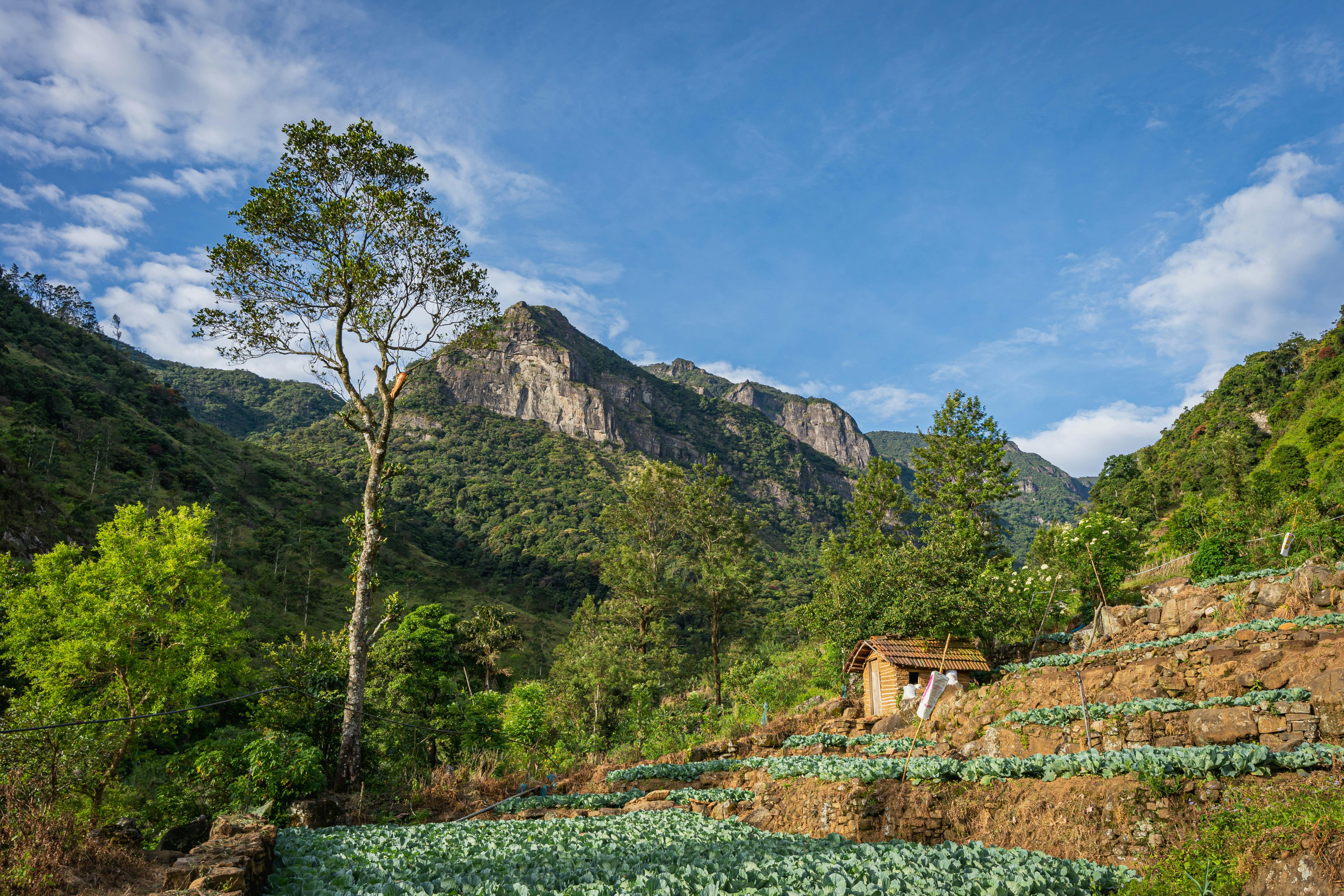
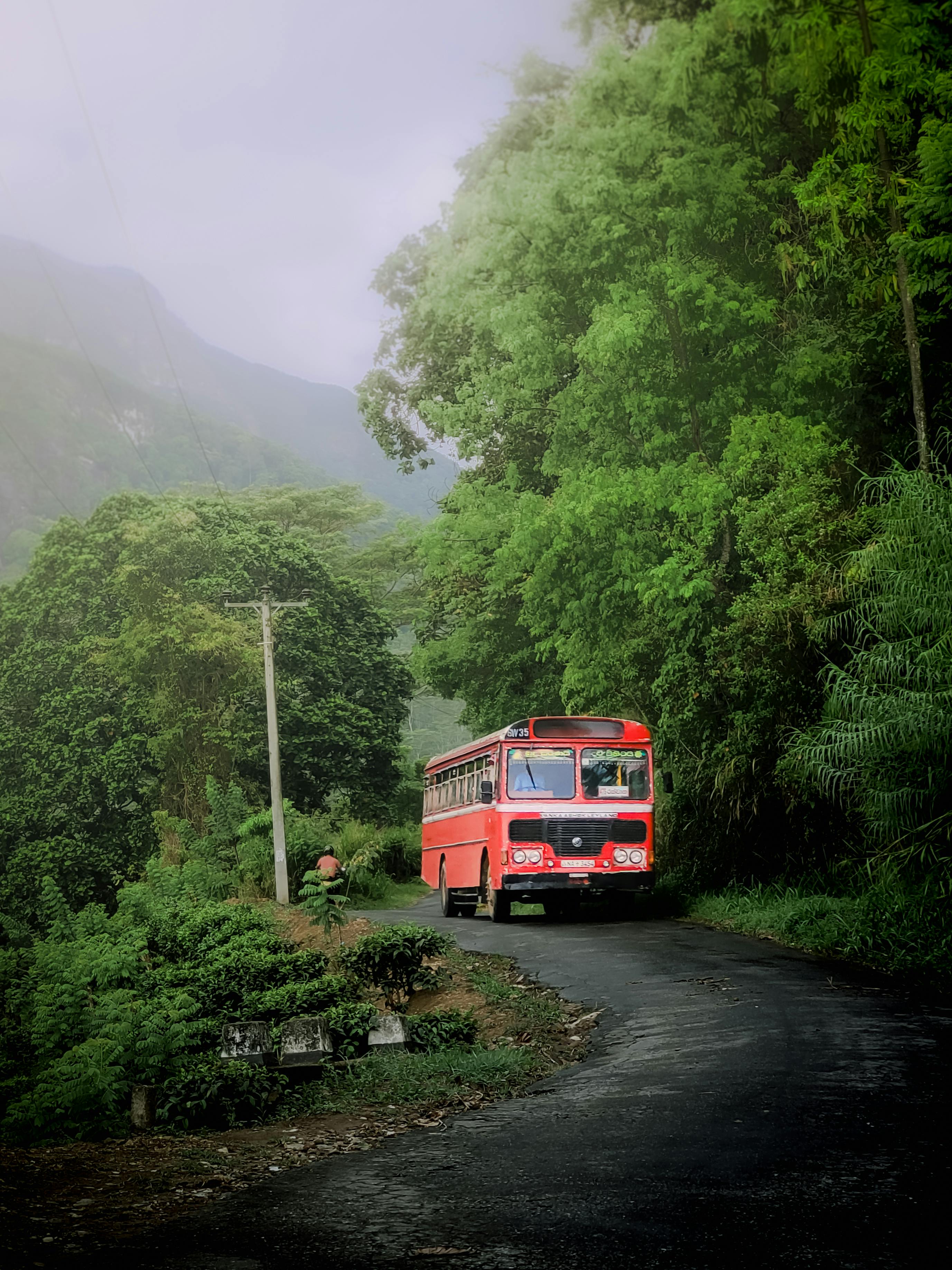
Most UK trips to Sri Lanka fall into a few recognisable patterns. Some people stay mainly in Colombo or at coastal hotels, where food hygiene, sun, road safety and daytime mosquitoes are usually the bigger talking points. Others build a two-week circular route through Kandy, the central hill country around Nuwara Eliya, national parks and beach areas, which means more changes in altitude, accommodation and insect exposure. Longer stays, volunteering, surfing trips, rural guesthouses and visits to friends or relatives can shift the health advice again. Children also alter the conversation, especially around animals, cuts, diarrhoea risk and reporting bites. A short organised tour does not need the same plan as three months moving around the island.
Most UK trips to Sri Lanka fall into a few recognisable patterns. Some people stay mainly in Colombo or at coastal hotels, where food hygiene, sun, road safety and daytime mosquitoes are usually the bigger talking points. Others build a two-week circular route through Kandy, the central hill country around Nuwara Eliya, national parks and beach areas, which means more changes in altitude, accommodation and insect exposure. Longer stays, volunteering, surfing trips, rural guesthouses and visits to friends or relatives can shift the health advice again. Children also alter the conversation, especially around animals, cuts, diarrhoea risk and reporting bites. A short organised tour does not need the same plan as three months moving around the island.
No malaria tablets, but mosquitoes still matter
Sri Lanka is listed as having no malaria risk, so malaria tablets are not normally part of the preparation. That can be reassuring, but it should not lead you to ignore bites. Dengue is a recognised risk, particularly in towns, cities and surrounding areas, and the mosquitoes that spread it often bite during the day. Chikungunya and Zika also sit in Sri Lanka’s risk picture. If you are pregnant, planning pregnancy, or travelling with a partner who may be trying to conceive, Zika deserves a proper discussion before travel. Japanese encephalitis occurs in Sri Lanka, with risk considered year-round and peaks around the monsoon seasons. It is usually more relevant for longer rural stays, repeated travel, uncertain itineraries, or time near rice fields, wetlands or pig farming areas, rather than a short urban hotel stay. Vaccines often discussed for Sri Lanka include hepatitis A and typhoid, especially where food and water hygiene may be less predictable. Tetanus should be up to date. Hepatitis B may be worth considering for longer stays, medical work, contact sports, new sexual partners, tattoos, piercings or possible medical treatment abroad. Rabies is present, with dogs the main concern; children, runners, cyclists and long-stay travellers should take animal contact seriously. A yellow fever certificate is only relevant if you arrive from, or transit for more than 12 hours through, a yellow fever risk country.
Sri Lanka is listed as having no malaria risk, so malaria tablets are not normally part of the preparation. That can be reassuring, but it should not lead you to ignore bites. Dengue is a recognised risk, particularly in towns, cities and surrounding areas, and the mosquitoes that spread it often bite during the day. Chikungunya and Zika also sit in Sri Lanka’s risk picture. If you are pregnant, planning pregnancy, or travelling with a partner who may be trying to conceive, Zika deserves a proper discussion before travel. Japanese encephalitis occurs in Sri Lanka, with risk considered year-round and peaks around the monsoon seasons. It is usually more relevant for longer rural stays, repeated travel, uncertain itineraries, or time near rice fields, wetlands or pig farming areas, rather than a short urban hotel stay. Vaccines often discussed for Sri Lanka include hepatitis A and typhoid, especially where food and water hygiene may be less predictable. Tetanus should be up to date. Hepatitis B may be worth considering for longer stays, medical work, contact sports, new sexual partners, tattoos, piercings or possible medical treatment abroad. Rabies is present, with dogs the main concern; children, runners, cyclists and long-stay travellers should take animal contact seriously. A yellow fever certificate is only relevant if you arrive from, or transit for more than 12 hours through, a yellow fever risk country.
Four to six weeks gives you more room
Try to book your Sri Lanka travel consultation four to six weeks before departure. That leaves time for vaccines that need more than one dose and gives you a chance to check routine UK immunisations such as MMR and diphtheria, tetanus and polio. If you leave sooner, still come in; late advice is often better than none. Bring your dates, route, accommodation style, planned activities and any medical history or regular medicines. If you work near Moorgate or live around Farringdon, the Goswell Road clinic is close enough for a practical pre-work or lunchtime appointment. Pack insect repellent, use covered clothing when bites are likely, and choose accommodation with screens or air conditioning where possible. For food and water, be stricter with hand hygiene, untreated water, ice of uncertain origin and food that has been left standing.
Try to book your Sri Lanka travel consultation four to six weeks before departure. That leaves time for vaccines that need more than one dose and gives you a chance to check routine UK immunisations such as MMR and diphtheria, tetanus and polio. If you leave sooner, still come in; late advice is often better than none. Bring your dates, route, accommodation style, planned activities and any medical history or regular medicines. If you work near Moorgate or live around Farringdon, the Goswell Road clinic is close enough for a practical pre-work or lunchtime appointment. Pack insect repellent, use covered clothing when bites are likely, and choose accommodation with screens or air conditioning where possible. For food and water, be stricter with hand hygiene, untreated water, ice of uncertain origin and food that has been left standing.
Get the Sri Lanka advice right before you go
Sri Lanka travel health preparation is usually manageable, provided the advice fits the actual journey. City Of London Clinic can check your vaccine history, talk through mosquito and food risks, and guide you on what is sensible for your route. Use the online booking system or call 02072539691 to arrange an appointment before you travel.
Sri Lanka travel health preparation is usually manageable, provided the advice fits the actual journey. City Of London Clinic can check your vaccine history, talk through mosquito and food risks, and guide you on what is sensible for your route. Use the online booking system or call 02072539691 to arrange an appointment before you travel.
FAQ
Travel Health FAQs
Find clear answers to the most common travel health and malaria prevention questions.
Find clear answers to the most common travel health and malaria prevention questions.
How early should I book Sri Lanka travel vaccinations?
Aim for four to six weeks before travel, especially if you may need a course of vaccines. If your trip is closer than that, an appointment is still worthwhile because some vaccines and practical advice can still be useful at short notice.
Which vaccines are usually considered for Sri Lanka?
Do I need malaria tablets for Sri Lanka?
Is dengue a serious concern for a short Sri Lanka holiday?
Should I get rabies or Japanese encephalitis vaccines for Sri Lanka?
How early should I book Sri Lanka travel vaccinations?
Aim for four to six weeks before travel, especially if you may need a course of vaccines. If your trip is closer than that, an appointment is still worthwhile because some vaccines and practical advice can still be useful at short notice.
Which vaccines are usually considered for Sri Lanka?
Do I need malaria tablets for Sri Lanka?
Is dengue a serious concern for a short Sri Lanka holiday?
Should I get rabies or Japanese encephalitis vaccines for Sri Lanka?
Speak to the team or arrange your visit
If you are comparing clinics or unsure which service you need, we are happy to help. Call the clinic, send us a message or visit us on Goswell Road to speak with the team.
We are easy to reach from the City of London, Farringdon, Moorgate, Liverpool Street, King’s Cross and surrounding central London areas.
CoL
C
City Of London
Clinic
36 Goswell Rd., Golden Lane Estate, London EC1M 7AA
info@cityoflondonclinic.co.uk
Hours
Monday
9am - 6:30pm
Tuesday
9am - 6:30pm
Wednesday
9am - 6:30pm
Thursday
9am - 6:30pm
Friday
9am - 6:30pm
Saturday
9am - 2pm
Sunday
Closed
Speak to the team or arrange your visit
If you are comparing clinics or unsure which service you need, we are happy to help. Call the clinic, send us a message or visit us on Goswell Road to speak with the team.
We are easy to reach from the City of London, Farringdon, Moorgate, Liverpool Street, King’s Cross and surrounding central London areas.
CoL
C
City Of London
Clinic
36 Goswell Rd., Golden Lane Estate, London EC1M 7AA
info@cityoflondonclinic.co.uk
Hours
Monday
9am - 6:30pm
Tuesday
9am - 6:30pm
Wednesday
9am - 6:30pm
Thursday
9am - 6:30pm
Friday
9am - 6:30pm
Saturday
9am - 2pm
Sunday
Closed
Speak to the team or arrange your visit
If you are comparing clinics or unsure which service you need, we are happy to help. Call the clinic, send us a message or visit us on Goswell Road to speak with the team.
We are easy to reach from the City of London, Farringdon, Moorgate, Liverpool Street, King’s Cross and surrounding central London areas.
36 Goswell Rd., Golden Lane Estate, London EC1M 7AA
info@cityoflondonclinic.co.uk
Hours
Monday
9am - 6:30pm
Tuesday
9am - 6:30pm
Wednesday
9am - 6:30pm
Thursday
9am - 6:30pm
Friday
9am - 6:30pm
Saturday
9am - 2pm
Sunday
Closed
City Of London
Clinic
CoL
C