Altitude sickness tablets and travel advice in London
Planning Kilimanjaro, Cusco, La Paz or a high trekking route? Get altitude illness advice and medication from a London travel clinic before you climb.
High trips need earlier planning
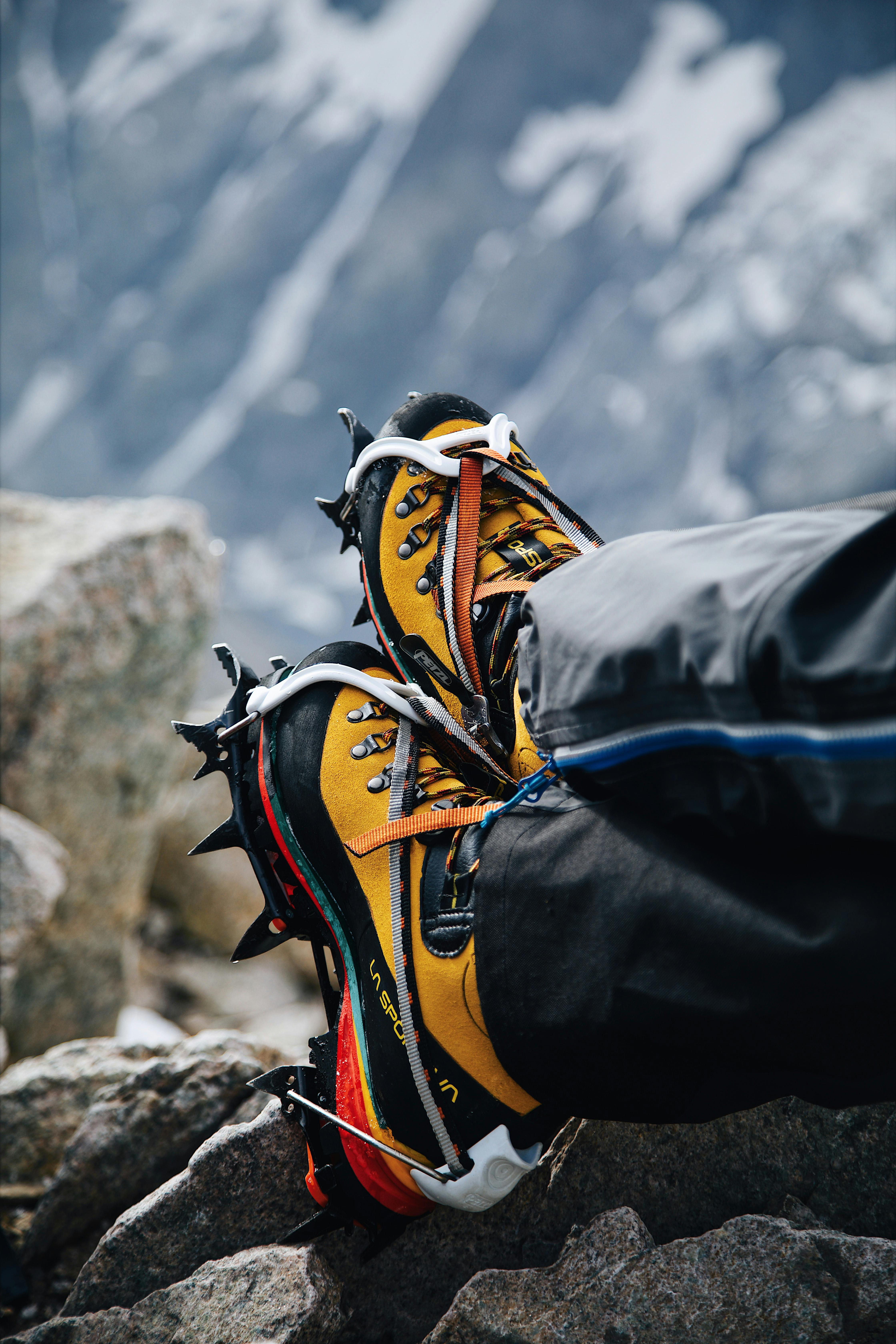
Trips to altitude are easy to underestimate. A flight into Cusco, a fast climb on Kilimanjaro, a trek in Nepal, or a work visit to La Paz can put you above 2,500 metres before your body has caught up. At City Of London Clinic in London, we can talk through your route, ascent speed, medical history and whether altitude sickness tablets are sensible for your trip.
Trips to altitude are easy to underestimate. A flight into Cusco, a fast climb on Kilimanjaro, a trek in Nepal, or a work visit to La Paz can put you above 2,500 metres before your body has caught up. At City Of London Clinic in London, we can talk through your route, ascent speed, medical history and whether altitude sickness tablets are sensible for your trip.
Thin air, slower adjustment
Altitude illness happens when the body has too little time to adjust to lower oxygen levels at height. The mildest form, acute mountain sickness, often starts with headache, nausea, poor appetite, dizziness, tiredness and broken sleep. It can feel like a hangover you did not earn. More serious forms can affect the brain or lungs. Confusion, poor coordination, worsening breathlessness, breathlessness when lying flat, chest tightness, a wet cough, or blood-stained sputum need urgent medical attention. Severe altitude illness can be life-threatening. The risk rises when you gain height quickly, especially when you sleep higher than your body is ready for. Above 3,000 metres, increasing sleeping altitude by more than about 500 metres per day raises concern, and rest days become more than a comfort stop. A direct flight or drive from low altitude to a high city can also catch people out.
Altitude illness happens when the body has too little time to adjust to lower oxygen levels at height. The mildest form, acute mountain sickness, often starts with headache, nausea, poor appetite, dizziness, tiredness and broken sleep. It can feel like a hangover you did not earn. More serious forms can affect the brain or lungs. Confusion, poor coordination, worsening breathlessness, breathlessness when lying flat, chest tightness, a wet cough, or blood-stained sputum need urgent medical attention. Severe altitude illness can be life-threatening. The risk rises when you gain height quickly, especially when you sleep higher than your body is ready for. Above 3,000 metres, increasing sleeping altitude by more than about 500 metres per day raises concern, and rest days become more than a comfort stop. A direct flight or drive from low altitude to a high city can also catch people out.
There is no vaccine for altitude illness
Altitude sickness is not an infection, so a jab will not prevent it. Prevention starts with the itinerary: slower ascent, planned rest days, sensible pacing, enough fluids, and knowing when not to go higher. Medication can be useful for some travellers, but it does not replace acclimatisation. Acetazolamide, often known by the brand name Diamox, is commonly used to reduce the chance of acute mountain sickness in moderate or higher-risk itineraries. It is usually started shortly before ascent and continued for a short period after reaching the highest sleeping altitude, depending on the route. It is not right for everyone, so we check medical history, allergies, pregnancy status, other medicines and previous reactions before advising. Side effects can include passing more urine, tingling in the fingers or toes, nausea, headache and changes in taste. Some people take a short trial before travel to see how they tolerate it. Children and people with existing medical conditions need individual assessment rather than a standard answer.
Altitude sickness is not an infection, so a jab will not prevent it. Prevention starts with the itinerary: slower ascent, planned rest days, sensible pacing, enough fluids, and knowing when not to go higher. Medication can be useful for some travellers, but it does not replace acclimatisation. Acetazolamide, often known by the brand name Diamox, is commonly used to reduce the chance of acute mountain sickness in moderate or higher-risk itineraries. It is usually started shortly before ascent and continued for a short period after reaching the highest sleeping altitude, depending on the route. It is not right for everyone, so we check medical history, allergies, pregnancy status, other medicines and previous reactions before advising. Side effects can include passing more urine, tingling in the fingers or toes, nausea, headache and changes in taste. Some people take a short trial before travel to see how they tolerate it. Children and people with existing medical conditions need individual assessment rather than a standard answer.
Routes where altitude advice matters
Altitude planning is relevant for many popular trips, not just expeditions. Examples include Kilimanjaro in Tanzania, the Inca Trail and Cusco in Peru, La Paz and the Bolivian Altiplano, trekking routes in Nepal, Ladakh in northern India, Mount Kenya, Ethiopia’s highlands and parts of the Andes in Ecuador, Colombia and Chile. Risk is closely linked to sleeping altitude and speed of ascent. A business traveller flying to a high-altitude city for two packed days may need advice just as much as someone walking with poles and a daypack. If your itinerary moves above 2,500 to 3,000 metres, bring the route details to your appointment.
Altitude planning is relevant for many popular trips, not just expeditions. Examples include Kilimanjaro in Tanzania, the Inca Trail and Cusco in Peru, La Paz and the Bolivian Altiplano, trekking routes in Nepal, Ladakh in northern India, Mount Kenya, Ethiopia’s highlands and parts of the Andes in Ecuador, Colombia and Chile. Risk is closely linked to sleeping altitude and speed of ascent. A business traveller flying to a high-altitude city for two packed days may need advice just as much as someone walking with poles and a daypack. If your itinerary moves above 2,500 to 3,000 metres, bring the route details to your appointment.
Come in once your route is firm
Bring your dates, planned sleeping altitudes if you have them, and any medical history that might affect medication choice. Our travel clinic on Goswell Road is convenient for people working or living near Farringdon and Moorgate, with weekday and Saturday appointments. We can also cover related travel health needs in the same visit, including vaccines, travellers’ diarrhoea advice and period delay medication where appropriate.
Bring your dates, planned sleeping altitudes if you have them, and any medical history that might affect medication choice. Our travel clinic on Goswell Road is convenient for people working or living near Farringdon and Moorgate, with weekday and Saturday appointments. We can also cover related travel health needs in the same visit, including vaccines, travellers’ diarrhoea advice and period delay medication where appropriate.
FAQ
Travel Health FAQs
Find clear answers to the most common travel health and malaria prevention questions.
Find clear answers to the most common travel health and malaria prevention questions.
How early should I book altitude sickness advice before travel?
Book once your itinerary is reasonably clear, especially if you know your sleeping altitudes or climb schedule. A few weeks before travel is useful because it leaves time to assess suitability, discuss a trial dose if appropriate, and adjust plans before you leave.
Can I get Diamox without seeing a clinician?
Do I need altitude sickness tablets for Machu Picchu or Cusco?
Are altitude sickness tablets safe for everyone?
What should I do if I get symptoms at altitude?
How early should I book altitude sickness advice before travel?
Book once your itinerary is reasonably clear, especially if you know your sleeping altitudes or climb schedule. A few weeks before travel is useful because it leaves time to assess suitability, discuss a trial dose if appropriate, and adjust plans before you leave.
Can I get Diamox without seeing a clinician?
Do I need altitude sickness tablets for Machu Picchu or Cusco?
Are altitude sickness tablets safe for everyone?
What should I do if I get symptoms at altitude?
Speak to the team or arrange your visit
If you are comparing clinics or unsure which service you need, we are happy to help. Call the clinic, send us a message or visit us on Goswell Road to speak with the team.
We are easy to reach from the City of London, Farringdon, Moorgate, Liverpool Street, King’s Cross and surrounding central London areas.
CoL
C
City Of London
Clinic
36 Goswell Rd., Golden Lane Estate, London EC1M 7AA
info@cityoflondonclinic.co.uk
Hours
Monday
9am - 6:30pm
Tuesday
9am - 6:30pm
Wednesday
9am - 6:30pm
Thursday
9am - 6:30pm
Friday
9am - 6:30pm
Saturday
9am - 2pm
Sunday
Closed
Speak to the team or arrange your visit
If you are comparing clinics or unsure which service you need, we are happy to help. Call the clinic, send us a message or visit us on Goswell Road to speak with the team.
We are easy to reach from the City of London, Farringdon, Moorgate, Liverpool Street, King’s Cross and surrounding central London areas.
CoL
C
City Of London
Clinic
36 Goswell Rd., Golden Lane Estate, London EC1M 7AA
info@cityoflondonclinic.co.uk
Hours
Monday
9am - 6:30pm
Tuesday
9am - 6:30pm
Wednesday
9am - 6:30pm
Thursday
9am - 6:30pm
Friday
9am - 6:30pm
Saturday
9am - 2pm
Sunday
Closed
Speak to the team or arrange your visit
If you are comparing clinics or unsure which service you need, we are happy to help. Call the clinic, send us a message or visit us on Goswell Road to speak with the team.
We are easy to reach from the City of London, Farringdon, Moorgate, Liverpool Street, King’s Cross and surrounding central London areas.
36 Goswell Rd., Golden Lane Estate, London EC1M 7AA
info@cityoflondonclinic.co.uk
Hours
Monday
9am - 6:30pm
Tuesday
9am - 6:30pm
Wednesday
9am - 6:30pm
Thursday
9am - 6:30pm
Friday
9am - 6:30pm
Saturday
9am - 2pm
Sunday
Closed
City Of London
Clinic
CoL
C