Malaria Vaccine and Travel Advice in London
There is no routine malaria vaccine for UK travellers. Get clear advice on malaria tablets, bite prevention and destination risk in central London.
Malaria advice before you travel
Most travellers asking about a malaria vaccine are really asking two things: whether malaria is a risk on their route, and what they should do before they go. At City Of London Clinic in central London, we assess your destination, dates, accommodation and medical history, then talk through malaria tablets and bite prevention in plain English. No theatre. Just the facts that affect your trip.
Most travellers asking about a malaria vaccine are really asking two things: whether malaria is a risk on their route, and what they should do before they go. At City Of London Clinic in central London, we assess your destination, dates, accommodation and medical history, then talk through malaria tablets and bite prevention in plain English. No theatre. Just the facts that affect your trip.
A mosquito-borne parasite that can become urgent quickly
Malaria is caused by Plasmodium parasites passed on through the bite of infected Anopheles mosquitoes. Several species infect humans, but Plasmodium falciparum is the one most linked with severe illness and death, especially in parts of Africa. The first symptoms can look disappointingly ordinary: fever, headache, tiredness, muscle aches, abdominal discomfort and sometimes diarrhoea or cough. With falciparum malaria, illness can worsen fast if treatment is delayed. Other types, such as P. vivax and P. ovale, can appear weeks or months later because the parasite may sit quietly in the liver before causing symptoms. For travellers, malaria is not only a rural backpacking problem. Risk can occur in villages, towns, forested areas, some cities, airport stops and overnight journeys. Mosquitoes may bite at dusk, overnight, at dawn and, in some settings, during the day. Any fever during travel or up to a year after returning from a malaria area needs urgent medical assessment.
Malaria is caused by Plasmodium parasites passed on through the bite of infected Anopheles mosquitoes. Several species infect humans, but Plasmodium falciparum is the one most linked with severe illness and death, especially in parts of Africa. The first symptoms can look disappointingly ordinary: fever, headache, tiredness, muscle aches, abdominal discomfort and sometimes diarrhoea or cough. With falciparum malaria, illness can worsen fast if treatment is delayed. Other types, such as P. vivax and P. ovale, can appear weeks or months later because the parasite may sit quietly in the liver before causing symptoms. For travellers, malaria is not only a rural backpacking problem. Risk can occur in villages, towns, forested areas, some cities, airport stops and overnight journeys. Mosquitoes may bite at dusk, overnight, at dawn and, in some settings, during the day. Any fever during travel or up to a year after returning from a malaria area needs urgent medical assessment.
No routine traveller’s malaria vaccine
There is currently no commercially available malaria vaccine used routinely for UK travellers. If you were hoping for a single jab, the honest answer is that malaria prevention usually means tablets, mosquito avoidance and knowing when to seek medical care. Malaria tablets are chosen after a travel health assessment. Common options include atovaquone/proguanil, doxycycline and mefloquine, but the right choice is not the same for everyone. Some tablets are started 1 to 2 days before entering a malaria area; others need to begin earlier. Depending on the medicine, you may also need to keep taking tablets for 1 to 4 weeks after leaving the risk area. Suitability depends on your destination, age, weight, pregnancy status, medical conditions, allergies and regular medicines. Children can take malaria prevention when assessed individually. Side effects also vary by medicine, from stomach upset to sun sensitivity or sleep and mood effects in some people. None of the options gives complete protection, so repellents, clothing and sleeping arrangements still matter.
There is currently no commercially available malaria vaccine used routinely for UK travellers. If you were hoping for a single jab, the honest answer is that malaria prevention usually means tablets, mosquito avoidance and knowing when to seek medical care. Malaria tablets are chosen after a travel health assessment. Common options include atovaquone/proguanil, doxycycline and mefloquine, but the right choice is not the same for everyone. Some tablets are started 1 to 2 days before entering a malaria area; others need to begin earlier. Depending on the medicine, you may also need to keep taking tablets for 1 to 4 weeks after leaving the risk area. Suitability depends on your destination, age, weight, pregnancy status, medical conditions, allergies and regular medicines. Children can take malaria prevention when assessed individually. Side effects also vary by medicine, from stomach upset to sun sensitivity or sleep and mood effects in some people. None of the options gives complete protection, so repellents, clothing and sleeping arrangements still matter.
Where malaria prevention is commonly considered
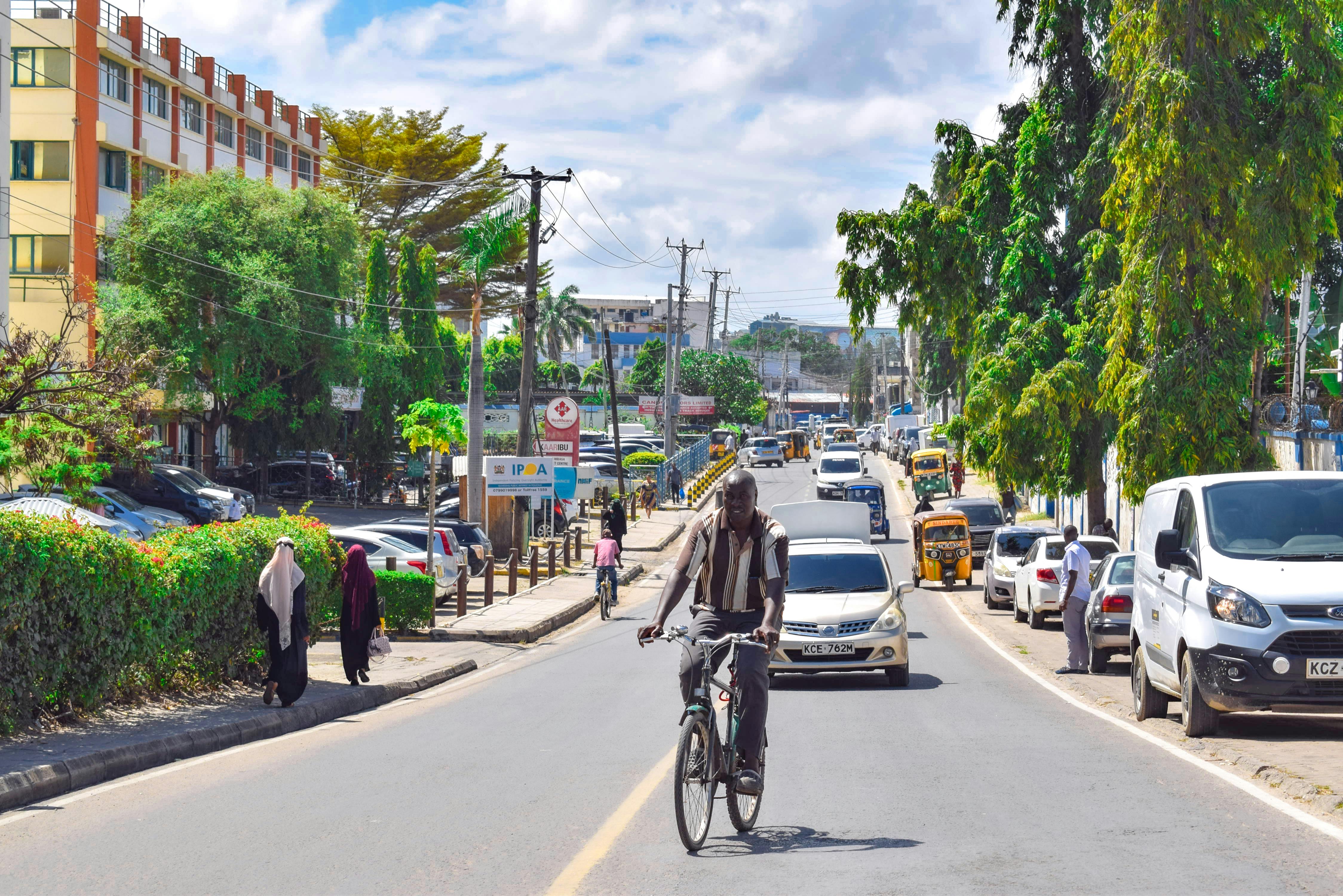
Malaria risk is highest across much of sub-Saharan Africa, including countries such as Nigeria, Ghana, Uganda, Ethiopia, Mozambique and the Democratic Republic of the Congo. West Africa is particularly important for UK travellers visiting friends and relatives, who account for a large share of imported malaria cases. Risk also exists in parts of South Asia, South East Asia, Central and South America, Hispaniola, selected Middle Eastern areas and parts of Oceania. Examples include some areas of India and Pakistan, forest or border regions in Thailand, Cambodia, Laos and Myanmar, Malaysian Borneo, and Amazon regions of Brazil, Peru and Colombia. The recommendation can change with season, altitude, city versus rural travel, length of stay and accommodation. A two-night city meeting and a six-week family visit may not need the same plan.
Malaria risk is highest across much of sub-Saharan Africa, including countries such as Nigeria, Ghana, Uganda, Ethiopia, Mozambique and the Democratic Republic of the Congo. West Africa is particularly important for UK travellers visiting friends and relatives, who account for a large share of imported malaria cases. Risk also exists in parts of South Asia, South East Asia, Central and South America, Hispaniola, selected Middle Eastern areas and parts of Oceania. Examples include some areas of India and Pakistan, forest or border regions in Thailand, Cambodia, Laos and Myanmar, Malaysian Borneo, and Amazon regions of Brazil, Peru and Colombia. The recommendation can change with season, altitude, city versus rural travel, length of stay and accommodation. A two-night city meeting and a six-week family visit may not need the same plan.
Bring your route, dates and medical details
A malaria appointment is practical: where you are going, when you arrive, how long you stay, and what medicines are safe for you. City Of London Clinic is at 36 Goswell Road, near Farringdon, with weekday and Saturday appointments. If your trip includes a malaria area, book early enough to start tablets before departure. You can call 02072539691 to arrange a travel health appointment.
A malaria appointment is practical: where you are going, when you arrive, how long you stay, and what medicines are safe for you. City Of London Clinic is at 36 Goswell Road, near Farringdon, with weekday and Saturday appointments. If your trip includes a malaria area, book early enough to start tablets before departure. You can call 02072539691 to arrange a travel health appointment.
FAQ
Travel Health FAQs
Find clear answers to the most common travel health and malaria prevention questions.
Find clear answers to the most common travel health and malaria prevention questions.
How early should I book malaria advice before travelling?
Four to six weeks before travel is a useful window, especially if you need several vaccines as well as malaria tablets. If you are leaving sooner, still book. Some antimalarial medicines can be started 1 to 2 days before entering a malaria area, while others need more lead time.
Can I get a malaria vaccine in London?
Do I need malaria tablets for Ghana or Nigeria?
Can children or pregnant women take malaria tablets?
What should I do if I get a fever after visiting a malaria area?
How early should I book malaria advice before travelling?
Four to six weeks before travel is a useful window, especially if you need several vaccines as well as malaria tablets. If you are leaving sooner, still book. Some antimalarial medicines can be started 1 to 2 days before entering a malaria area, while others need more lead time.
Can I get a malaria vaccine in London?
Do I need malaria tablets for Ghana or Nigeria?
Can children or pregnant women take malaria tablets?
What should I do if I get a fever after visiting a malaria area?
Speak to the team or arrange your visit
If you are comparing clinics or unsure which service you need, we are happy to help. Call the clinic, send us a message or visit us on Goswell Road to speak with the team.
We are easy to reach from the City of London, Farringdon, Moorgate, Liverpool Street, King’s Cross and surrounding central London areas.
CoL
C
City Of London
Clinic
36 Goswell Rd., Golden Lane Estate, London EC1M 7AA
info@cityoflondonclinic.co.uk
Hours
Monday
9am - 6:30pm
Tuesday
9am - 6:30pm
Wednesday
9am - 6:30pm
Thursday
9am - 6:30pm
Friday
9am - 6:30pm
Saturday
9am - 2pm
Sunday
Closed
Speak to the team or arrange your visit
If you are comparing clinics or unsure which service you need, we are happy to help. Call the clinic, send us a message or visit us on Goswell Road to speak with the team.
We are easy to reach from the City of London, Farringdon, Moorgate, Liverpool Street, King’s Cross and surrounding central London areas.
CoL
C
City Of London
Clinic
36 Goswell Rd., Golden Lane Estate, London EC1M 7AA
info@cityoflondonclinic.co.uk
Hours
Monday
9am - 6:30pm
Tuesday
9am - 6:30pm
Wednesday
9am - 6:30pm
Thursday
9am - 6:30pm
Friday
9am - 6:30pm
Saturday
9am - 2pm
Sunday
Closed
Speak to the team or arrange your visit
If you are comparing clinics or unsure which service you need, we are happy to help. Call the clinic, send us a message or visit us on Goswell Road to speak with the team.
We are easy to reach from the City of London, Farringdon, Moorgate, Liverpool Street, King’s Cross and surrounding central London areas.
36 Goswell Rd., Golden Lane Estate, London EC1M 7AA
info@cityoflondonclinic.co.uk
Hours
Monday
9am - 6:30pm
Tuesday
9am - 6:30pm
Wednesday
9am - 6:30pm
Thursday
9am - 6:30pm
Friday
9am - 6:30pm
Saturday
9am - 2pm
Sunday
Closed
City Of London
Clinic
CoL
C