Tetanus Vaccine in London
Check whether you need a tetanus booster before travel, especially for remote trips, longer stays or countries where treatment may be harder to reach.
Cuts, bites and dirty wounds abroad
A small injury can become a bigger problem when you are travelling somewhere with limited access to wound care. Tetanus is not a country-specific vaccine in the neat way yellow fever can be; it is about your vaccine history, your itinerary and how quickly you could get treatment after an accident. City Of London Clinic in London can check your records, discuss your route and vaccinate if a booster is sensible before you go.
A small injury can become a bigger problem when you are travelling somewhere with limited access to wound care. Tetanus is not a country-specific vaccine in the neat way yellow fever can be; it is about your vaccine history, your itinerary and how quickly you could get treatment after an accident. City Of London Clinic in London can check your records, discuss your route and vaccinate if a booster is sensible before you go.
A soil-borne infection that enters through broken skin
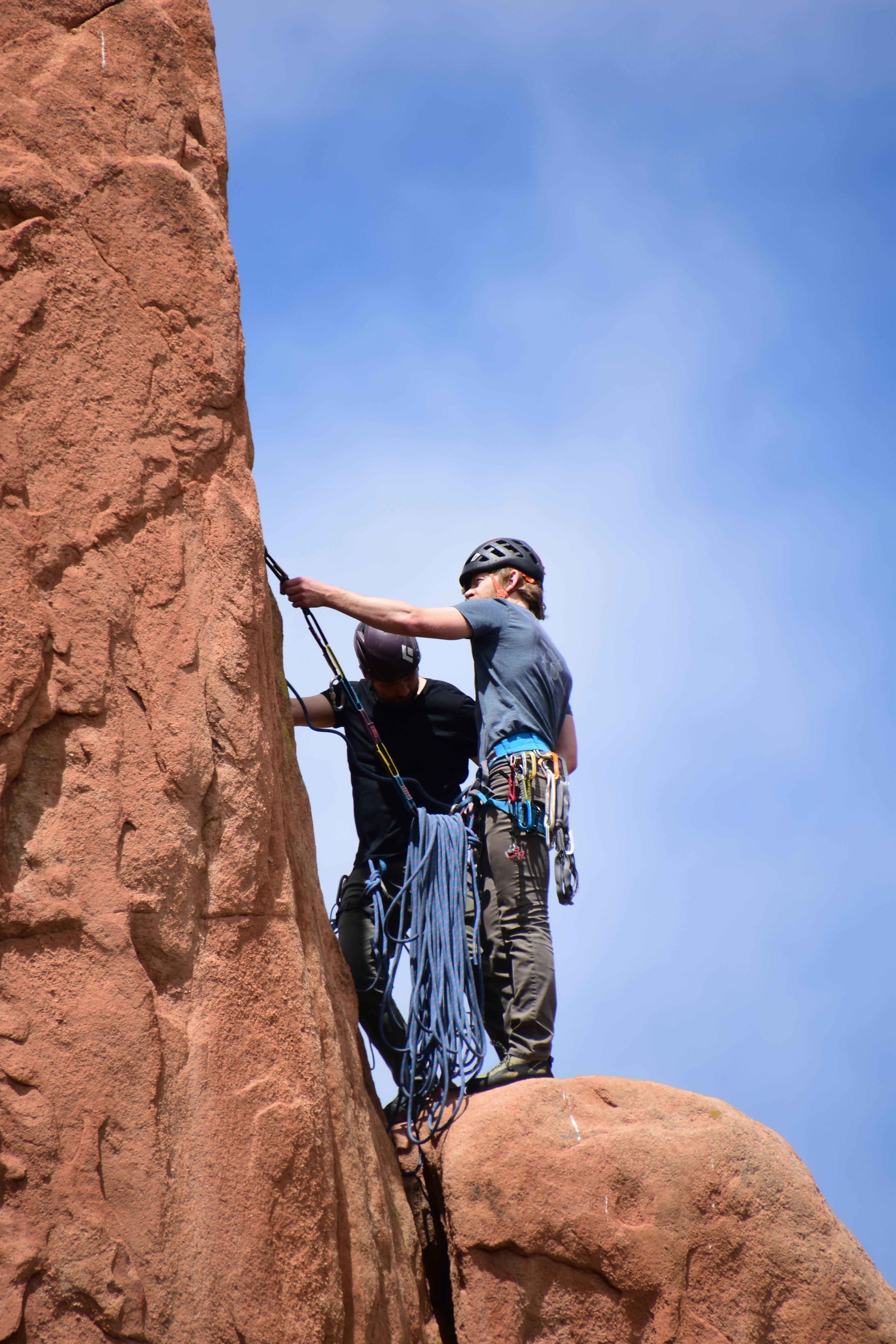
Tetanus is caused by a toxin made by Clostridium tetani bacteria. The spores live in soil and dust around the world, so the usual route in is through a contaminated wound rather than through food, water or another person. Puncture wounds, burns, animal bites or scratches, eye injuries, fractures with broken skin and wounds containing grit or other foreign material all raise concern. For travellers, the obvious examples are motorbike scrapes, falls on rough ground, hiking injuries, volunteering on farms, building-site visits and animal scratches. The early story may look minor: a cut cleaned with bottled water, a thorn in the foot, a bite that seems too small for a hospital trip. The toxin can affect the brain and spinal cord, causing painful muscle spasms, lockjaw, neck stiffness, difficulty swallowing and breathing problems. Even with intensive hospital care, tetanus can be fatal.
Tetanus is caused by a toxin made by Clostridium tetani bacteria. The spores live in soil and dust around the world, so the usual route in is through a contaminated wound rather than through food, water or another person. Puncture wounds, burns, animal bites or scratches, eye injuries, fractures with broken skin and wounds containing grit or other foreign material all raise concern. For travellers, the obvious examples are motorbike scrapes, falls on rough ground, hiking injuries, volunteering on farms, building-site visits and animal scratches. The early story may look minor: a cut cleaned with bottled water, a thorn in the foot, a bite that seems too small for a hospital trip. The toxin can affect the brain and spinal cord, causing painful muscle spasms, lockjaw, neck stiffness, difficulty swallowing and breathing problems. Even with intensive hospital care, tetanus can be fatal.
What the tetanus booster does, and what it cannot do
Tetanus vaccination trains your immune system to recognise the toxin that causes illness. In the UK it is usually given as part of a combined vaccine, commonly with diphtheria and polio for travel boosters. It is an injection, usually into the upper arm. Most UK adults had tetanus vaccines in childhood, with the routine programme starting in infancy from 8 weeks of age and later boosters through the school schedule. The travel question is whether your course is complete and whether your last dose is recent enough for the trip you are taking. If you are travelling to a place where medical treatment may be difficult to reach, a booster is commonly advised when the last tetanus-containing vaccine was more than 10 years ago, even if you previously completed the standard five-dose UK course. The vaccine does not remove the need to clean wounds properly or seek medical advice after a tetanus-prone injury. Some wounds may still need further treatment, including immunoglobulin, depending on the circumstances. Sore arm, mild fever and tiredness can occur after vaccination. Children, pregnant travellers and people with complex medical histories should be assessed individually.
Tetanus vaccination trains your immune system to recognise the toxin that causes illness. In the UK it is usually given as part of a combined vaccine, commonly with diphtheria and polio for travel boosters. It is an injection, usually into the upper arm. Most UK adults had tetanus vaccines in childhood, with the routine programme starting in infancy from 8 weeks of age and later boosters through the school schedule. The travel question is whether your course is complete and whether your last dose is recent enough for the trip you are taking. If you are travelling to a place where medical treatment may be difficult to reach, a booster is commonly advised when the last tetanus-containing vaccine was more than 10 years ago, even if you previously completed the standard five-dose UK course. The vaccine does not remove the need to clean wounds properly or seek medical advice after a tetanus-prone injury. Some wounds may still need further treatment, including immunoglobulin, depending on the circumstances. Sore arm, mild fever and tiredness can occur after vaccination. Children, pregnant travellers and people with complex medical histories should be assessed individually.
Trips where a booster is more likely to be advised
Tetanus exists worldwide, but risk becomes more practical when travel involves poor road conditions, outdoor work, rural stays or places where urgent wound treatment is harder to access. Travellers to India, Bangladesh and Kenya often need their tetanus history checked, especially for longer visits, family trips outside large cities or business travel involving construction, agriculture, factories or field sites. The same applies to parts of South America where trekking, cycling, volunteering or remote travel are on the itinerary. Backpacking through several countries can also make decisions less tidy, because injuries do not wait until you are near a good clinic. If your records are incomplete or your last booster was over 10 years ago, bring that up before you travel.
Tetanus exists worldwide, but risk becomes more practical when travel involves poor road conditions, outdoor work, rural stays or places where urgent wound treatment is harder to access. Travellers to India, Bangladesh and Kenya often need their tetanus history checked, especially for longer visits, family trips outside large cities or business travel involving construction, agriculture, factories or field sites. The same applies to parts of South America where trekking, cycling, volunteering or remote travel are on the itinerary. Backpacking through several countries can also make decisions less tidy, because injuries do not wait until you are near a good clinic. If your records are incomplete or your last booster was over 10 years ago, bring that up before you travel.
Bring your dates and your vaccine record if you have it
Booking a tetanus travel vaccine appointment is straightforward once your destination and dates are firm. If you have an NHS app record, old vaccine card or GP printout, bring it; if not, we can still talk through the likely options. The clinic is on Goswell Road, convenient for Farringdon and Moorgate. Call 02072539691 or book an appointment before your pre-travel list gets crowded.
Booking a tetanus travel vaccine appointment is straightforward once your destination and dates are firm. If you have an NHS app record, old vaccine card or GP printout, bring it; if not, we can still talk through the likely options. The clinic is on Goswell Road, convenient for Farringdon and Moorgate. Call 02072539691 or book an appointment before your pre-travel list gets crowded.
FAQ
Travel Health FAQs
Find clear answers to the most common travel health and malaria prevention questions.
Find clear answers to the most common travel health and malaria prevention questions.
How far before travel should I get a tetanus booster?
A few weeks before departure is a sensible target, especially if you need other travel vaccines at the same appointment. If you are leaving sooner, it is still worth being assessed, as a booster may still be appropriate before you go.
Do I need a tetanus vaccine if I had all my childhood jabs?
Is the tetanus vaccine suitable for everyone?
Do I need a tetanus booster for Kenya, India or Bangladesh?
Can I have tetanus vaccine with other travel vaccines?
How far before travel should I get a tetanus booster?
A few weeks before departure is a sensible target, especially if you need other travel vaccines at the same appointment. If you are leaving sooner, it is still worth being assessed, as a booster may still be appropriate before you go.
Do I need a tetanus vaccine if I had all my childhood jabs?
Is the tetanus vaccine suitable for everyone?
Do I need a tetanus booster for Kenya, India or Bangladesh?
Can I have tetanus vaccine with other travel vaccines?
Speak to the team or arrange your visit
If you are comparing clinics or unsure which service you need, we are happy to help. Call the clinic, send us a message or visit us on Goswell Road to speak with the team.
We are easy to reach from the City of London, Farringdon, Moorgate, Liverpool Street, King’s Cross and surrounding central London areas.
CoL
C
City Of London
Clinic
36 Goswell Rd., Golden Lane Estate, London EC1M 7AA
info@cityoflondonclinic.co.uk
Hours
Monday
9am - 6:30pm
Tuesday
9am - 6:30pm
Wednesday
9am - 6:30pm
Thursday
9am - 6:30pm
Friday
9am - 6:30pm
Saturday
9am - 2pm
Sunday
Closed
Speak to the team or arrange your visit
If you are comparing clinics or unsure which service you need, we are happy to help. Call the clinic, send us a message or visit us on Goswell Road to speak with the team.
We are easy to reach from the City of London, Farringdon, Moorgate, Liverpool Street, King’s Cross and surrounding central London areas.
CoL
C
City Of London
Clinic
36 Goswell Rd., Golden Lane Estate, London EC1M 7AA
info@cityoflondonclinic.co.uk
Hours
Monday
9am - 6:30pm
Tuesday
9am - 6:30pm
Wednesday
9am - 6:30pm
Thursday
9am - 6:30pm
Friday
9am - 6:30pm
Saturday
9am - 2pm
Sunday
Closed
Speak to the team or arrange your visit
If you are comparing clinics or unsure which service you need, we are happy to help. Call the clinic, send us a message or visit us on Goswell Road to speak with the team.
We are easy to reach from the City of London, Farringdon, Moorgate, Liverpool Street, King’s Cross and surrounding central London areas.
36 Goswell Rd., Golden Lane Estate, London EC1M 7AA
info@cityoflondonclinic.co.uk
Hours
Monday
9am - 6:30pm
Tuesday
9am - 6:30pm
Wednesday
9am - 6:30pm
Thursday
9am - 6:30pm
Friday
9am - 6:30pm
Saturday
9am - 2pm
Sunday
Closed
City Of London
Clinic
CoL
C